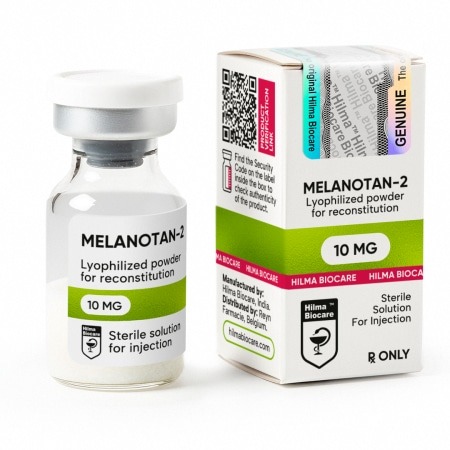
Melanotane-2: 7 Important Facts About Uses, Effects, and Safety
Melanotane-2, more commonly known as Melanotan II, is a synthetic peptide studied for its interaction with melanocortin receptors in the body. It has attracted attention because of its potential influence on skin pigmentation, appetite, and certain sexual functions. However, it is important to distinguish experimental research from established medical treatments.
Products marketed online as Melanotane-2 may not have undergone the quality testing, clinical evaluation, or regulatory review required for approved medicines. Understanding its proposed effects, limitations, and potential risks is essential before interpreting claims made about this peptide.
What Is Melanotane-2?
Melanotane-2 is a synthetic peptide related to alpha-melanocyte-stimulating hormone (α-MSH), a naturally occurring signaling molecule involved in several biological processes. It interacts with melanocortin receptors, which influence functions such as pigmentation, appetite, and sexual responses.
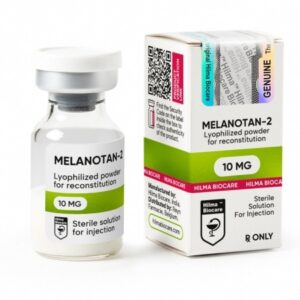
Unlike approved medicines with clearly defined indications and standardized manufacturing requirements, products sold as Melanotane-2 may vary in purity, concentration, and composition. Labels and online descriptions do not independently confirm a product’s identity or quality.
Melanotan II is not the same as afamelanotide, a related medication approved for a specific medical condition in certain jurisdictions. Their regulatory status, evidence base, and clinical applications should not be confused.
How Does Melanotane-2 Work?
Melanotane-2 acts on melanocortin receptors. Its interaction with these receptors may stimulate pathways associated with melanin production, the pigment responsible for skin, hair, and eye color.
Melanin helps absorb some ultraviolet radiation, but increased pigmentation does not eliminate the risks associated with sun exposure. A darker skin appearance should not be considered a substitute for sunscreen, protective clothing, or other sun-protection measures.
Melanocortin receptors also participate in other physiological processes. This broader activity helps explain why researchers have investigated the peptide for effects beyond pigmentation. However, findings from laboratory research or small studies do not establish that an unapproved product is safe or effective for general use.
Potential Uses and Reported Effects of Melanotane-2
Melanotane-2 is commonly discussed online in connection with the following effects:
- Skin pigmentation: It has been investigated for its ability to influence melanin production.
- Tanning-related effects: Some people seek it for a darker complexion, although this is not an established safe tanning method.
- Sexual function research: Its activity at certain melanocortin receptors has prompted research into sexual arousal and related responses.
- Appetite and other biological pathways: Researchers have studied melanocortin signaling in relation to appetite and energy regulation.
These areas of investigation should not be interpreted as proof that Melanotane-2 is an effective or appropriate treatment. Online testimonials and marketing claims are not substitutes for well-controlled clinical evidence.
Melanotane-2 Side Effects and Safety Risks
The safety profile of Melanotane-2 is not sufficiently established for unsupervised use. Reported or potential adverse effects include:
- Nausea and vomiting
- Facial flushing
- Headache and dizziness
- Reduced appetite
- Changes in freckles, moles, or skin pigmentation
- Spontaneous or prolonged erections
- Unpredictable reactions to products with uncertain ingredients or concentrations
Changes in moles or other pigmented skin lesions deserve particular attention. A new, changing, irregular, bleeding, or otherwise concerning lesion should be evaluated by a qualified healthcare professional. Darkening of a mole does not itself establish that the peptide has caused skin cancer, but unexplained skin changes should not be ignored.
Severe allergic reactions and prolonged erections require urgent medical attention. An erection lasting four hours or longer is a medical emergency.
Is Melanotane-2 Approved for Human Use?
Melanotan II is not an approved tanning medicine in the United States, and it should not be assumed to have marketing authorization in other countries. Regulatory status can vary by jurisdiction, so local medicines authorities are the appropriate source for country-specific information.
Products sold through unofficial websites may lack verified manufacturing standards, reliable storage conditions, or independent testing. A label stating “research use” does not establish that a substance is safe for human use.
Consumers should be cautious of claims promising a risk-free tan, guaranteed results, or protection from ultraviolet damage.
Melanotane-2 and Sun Protection
Melanotane-2 is sometimes promoted as a way to obtain a tan without conventional sun exposure. However, pigmentation changes do not make ultraviolet exposure harmless. Tanning beds and excessive sunlight can still damage skin and increase the risk of premature aging and skin cancer.
For safer skin protection, use broad-spectrum sunscreen, wear protective clothing, seek shade, and avoid tanning beds. People concerned about unusual pigmentation or skin lesions should seek advice from a dermatologist rather than relying on an unapproved peptide.
Storage, Product Quality, and Research Considerations
Peptide stability depends on its formulation, packaging, and environmental conditions. Storage instructions cannot be generalized across products, and online sellers may provide incomplete or unreliable information.
Unverified products can contain impurities, incorrect concentrations, or substances different from those stated on the label. Proper packaging or professional-looking marketing does not guarantee sterility or quality.
Researchers evaluating Melanotane-2 should rely on peer-reviewed evidence, appropriate laboratory controls, and applicable institutional and regulatory requirements. For personal medical decisions, consult a licensed healthcare professional.
Frequently Asked Questions About Melanotane-2
Is Melanotane-2 the same as Melanotan II?
Yes. “Melanotane-2” is an alternate spelling commonly used online; “Melanotan II” is the more widely recognized name.
Does Melanotane-2 permanently change skin color?
The duration and extent of pigmentation changes can vary. Permanent results cannot be guaranteed, and unexpected changes to moles or skin lesions should be medically assessed.
Is Melanotane-2 a safe alternative to tanning beds?
It has not been established as a safe tanning treatment. Avoiding tanning beds and using established sun-protection measures are safer ways to reduce ultraviolet-related harm.
Can Melanotane-2 be used without medical supervision?
Unsupervised use is not recommended because its safety, product quality, and appropriate clinical applications are not established.
Conclusion
Melanotane-2, also known as Melanotan II, is a synthetic peptide that acts on melanocortin receptors and has been investigated for pigmentation and other biological effects. Nevertheless, experimental interest and online popularity do not establish safety or effectiveness. Understanding its limitations, recognizing possible adverse effects, and relying on qualified medical advice are important when evaluating information about this unapproved peptide.