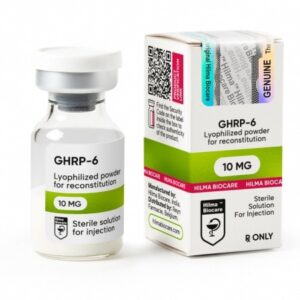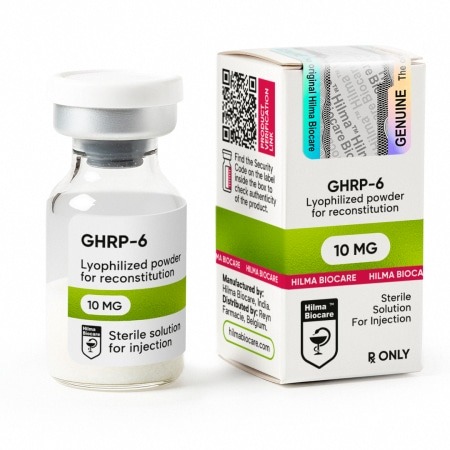
GHRP-6: 7 Essential Facts About Uses, Effects, and Risks
Introduction to GHRP-6
GHRP-6, short for Growth Hormone-Releasing Peptide-6, is a synthetic peptide studied for its effects on growth hormone secretion. It belongs to a group of compounds known as growth hormone secretagogues, which stimulate pathways involved in the release of growth hormone from the pituitary gland.
GHRP-6 has attracted attention in peptide research because of its relationship with growth hormone regulation, appetite signaling, and metabolic processes. However, research interest does not establish that it is safe or effective for bodybuilding, muscle development, recovery, or other non-approved purposes.
Understanding what GHRP-6 is, how it works, and what remains unknown about its safety is important when evaluating scientific information or products marketed online.
1. What Is GHRP-6?
GHRP-6 is a synthetic hexapeptide, meaning it is composed of six amino acids. It was developed for research into the regulation of growth hormone secretion and is associated with the growth hormone secretagogue receptor, also known as GHS-R1a.
Unlike growth hormone itself, GHRP-6 acts by stimulating signaling pathways involved in the body’s release of growth hormone. It is also associated with ghrelin-related signaling, which plays a role in appetite and energy balance.
GHRP-6 is not the same as a licensed growth hormone medicine, and products sold through unregulated online channels may not meet pharmaceutical quality standards. Its experimental status and limited evidence for many advertised uses should be considered carefully.
2. How Does GHRP-6 Work?
GHRP-6 interacts with the growth hormone secretagogue receptor. Activation of this receptor can stimulate the release of growth hormone from the pituitary gland.
Growth hormone influences several physiological processes, including tissue growth, protein metabolism, and the production of insulin-like growth factor 1 (IGF-1). Its effects depend on multiple factors, including age, health status, hormonal feedback, and the activity of other endocrine pathways.
GHRP-6 is also linked to ghrelin-related signaling, which helps regulate hunger and food intake. This connection is one reason appetite-related effects are discussed in research concerning the peptide.
Changes in hormone levels or appetite do not automatically translate into proven improvements in strength, muscle growth, body composition, or long-term health. Those outcomes require reliable clinical evidence.
3. GHRP-6 Research and Potential Applications
Scientific interest in GHRP-6 has focused on growth hormone secretion and the physiological pathways that influence appetite and metabolism. Studies of growth hormone secretagogues have helped researchers better understand how the body regulates hormone release.
Nevertheless, evidence supporting the use of GHRP-6 for bodybuilding, anti-aging, athletic recovery, or general wellness is insufficient. Research findings cannot be assumed to establish long-term safety or effectiveness in otherwise healthy people.
A compound may produce a measurable biological response without providing a meaningful clinical benefit. Responsible evaluation requires well-designed human studies that assess outcomes, adverse effects, and the effects of longer-term exposure.
People with symptoms that may relate to growth hormone deficiency should receive an appropriate medical assessment rather than relying on experimental peptides or online product claims.
4. Potential Side Effects and Health Risks
The full safety profile of GHRP-6 has not been established. Its effects on hormonal signaling and appetite raise several potential concerns, while the quality of products sold online can introduce additional uncertainty.
Possible concerns include:
- Increased hunger or changes in appetite.
- Headaches, flushing, or dizziness.
- Injection-site irritation when injectable products are used.
- Fluid retention or swelling associated with changes in growth hormone activity.
- Changes in glucose regulation or insulin sensitivity.
- Uncertain effects on IGF-1 levels and other hormonal processes.
- Unknown risks associated with prolonged use.
These potential effects should not be interpreted as a complete or definitive list. Limited clinical evidence makes it difficult to reliably predict how often adverse effects occur or who may be most vulnerable.
Severe allergic symptoms, difficulty breathing, chest pain, or significant swelling require urgent medical evaluation.
5. Appetite, Metabolism, and Hormonal Effects
GHRP-6 is associated with ghrelin-related pathways, which influence hunger and food intake. This is an important distinction from compounds that primarily target other hormone systems.
Growth hormone signaling also interacts with metabolic regulation. Changes in this pathway may influence glucose handling, insulin sensitivity, fluid balance, and IGF-1 activity. The magnitude and clinical significance of these effects with GHRP-6 are not sufficiently established for many non-medical applications.
People with diabetes, prediabetes, endocrine disorders, or cardiovascular conditions should be particularly cautious about experimental substances that affect hormonal signaling. There is no established self-directed protocol that can guarantee safe use.
If symptoms suggest a hormonal disorder, a qualified healthcare professional can determine whether laboratory testing or specialist assessment is appropriate.
6. Product Quality, Regulation, and Sports Rules
This products marketed online may be labeled for laboratory or research use rather than human treatment. Such labeling does not guarantee purity, sterility, accurate concentration, or suitability for administration.
Products obtained from unverified sources may contain incorrect ingredients, contaminants, or concentrations that differ from the label. These issues can increase the risk of unexpected reactions and make medical assessment more difficult.
Regulatory status varies by jurisdiction. Consumers should check their national medicines regulator for current information on the compound’s status and any restrictions affecting its sale, importation, or use.
Athletes should also consult the current rules of their governing sports organization and anti-doping authority. Growth hormone-releasing peptides and related substances may be prohibited in competitive sport.
7. Frequently Asked Questions About GHRP-6
What does GHRP-6 stand for?
This stands for Growth Hormone-Releasing Peptide-6, a synthetic peptide studied for its ability to stimulate growth hormone secretion.
Does GHRP-6 affect appetite?
It is associated with ghrelin-related signaling, which participates in appetite regulation. The effects and safety of using it to deliberately change appetite are not adequately established.
Is GHRP-6 approved for bodybuilding?
this is not an established approved treatment for bodybuilding or performance enhancement. Evidence is insufficient to confirm that it is safe and effective for these purposes.
Can GHRP-6 affect blood sugar?
Growth hormone signaling can influence glucose regulation and insulin sensitivity. The specific metabolic risks of GHRP-6 remain uncertain because comprehensive clinical safety data are lacking.
Is GHRP-6 legal?
Its regulatory status depends on the country and the circumstances of sale, importation, possession, and intended use. Check current guidance from the relevant national medicines regulator.
Conclusion
GHRP-6 is a synthetic peptide studied for its effects on growth hormone secretion and ghrelin-related signaling. Although it has scientific relevance to endocrine research, evidence does not establish that it is a safe or effective option for bodybuilding, recovery, or general wellness.
Potential concerns include appetite changes, altered hormonal activity, metabolic effects, injection-related complications, and uncertainty about long-term safety and product quality. Anyone researching GHRP-6 should distinguish early scientific findings from proven clinical benefits and consult reliable medical and regulatory sources before making health-related decisions.