GHK-Cu: 7 Facts About Benefits, Skin Care, and Safety
GHK-Cu is a copper-binding peptide that has attracted attention in skincare, cosmetic research, and studies of tissue repair. The name refers to a complex formed by the tripeptide glycyl-L-histidyl-L-lysine and copper. Researchers have investigated GHK-Cu for its potential role in skin appearance, collagen-related processes, and other biological activities.
GHK-Cu is commonly discussed in connection with skin firmness, fine lines, and hair care. However, promising laboratory findings do not automatically demonstrate that a cosmetic product will produce significant results in people. Understanding what GHK-Cu is, what research suggests, and which safety considerations matter can help consumers evaluate products more carefully.
1. What Is GHK-Cu?
GHK-Cu is a copper peptide consisting of a small peptide bound to a copper ion. The peptide GHK occurs naturally in the human body, and its levels have been reported to change with age. Researchers have studied the copper complex because copper is involved in several biological processes, including enzyme activity and tissue maintenance.
In cosmetic formulations, GHK-Cu is often included in serums, creams, and other topical products marketed for skin care. Formulations differ in concentration, stability, supporting ingredients, and product quality.
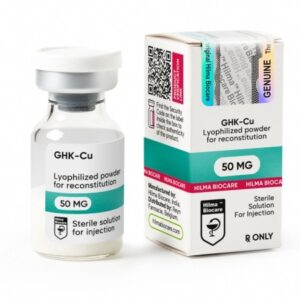
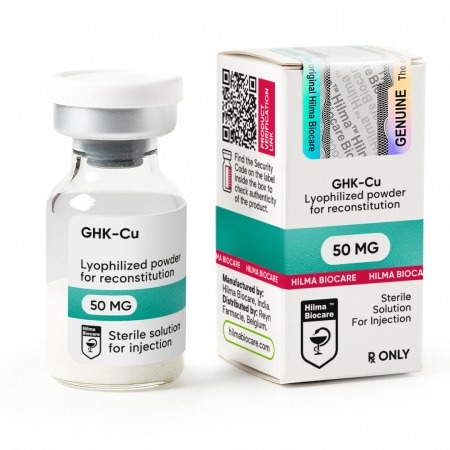
It is important to distinguish cosmetic GHK-Cu products from experimental preparations marketed for injection or other medical uses. Evidence supporting one formulation or route of application cannot automatically be applied to another. The name alone does not confirm a product’s purity, effectiveness, or regulatory status.
2. How Does GHK-Cu Work?
Research suggests that GHK-Cu may interact with cellular signaling pathways involved in skin maintenance and tissue remodeling. Laboratory studies have investigated its relationship with extracellular matrix components, including collagen and other proteins that contribute to the structure of skin.
Copper also serves as a cofactor for enzymes involved in normal biological functions. However, the effects of a copper peptide depend on factors such as its formulation, stability, concentration, and ability to reach the relevant tissues.
The exact mechanisms and clinical importance of GHK-Cu in cosmetic use are not fully established. It would be inaccurate to assume that applying a product containing the peptide necessarily stimulates substantial collagen production or reverses visible signs of aging.
3. What Are the Potential Skin Care Benefits?
GHK-Cu is studied and marketed for several possible cosmetic benefits, including:
- Skin appearance: Researchers have investigated its potential influence on processes associated with skin structure.
- Fine lines and wrinkles: Some cosmetic formulations are marketed to improve the appearance of aging skin, although results depend on the product and evidence available.
- Skin texture and firmness: Peptide-based skincare products may be designed to support a smoother-looking complexion.
- Skin conditioning: GHK-Cu appears in formulations intended to improve the overall appearance and feel of skin.
These potential applications should not be interpreted as guaranteed outcomes. Evidence for GHK-Cu in people remains limited compared with that for some established skincare ingredients. Product-specific clinical testing is particularly important when assessing whether a formulation produces noticeable benefits.
This should not be presented as a proven treatment for wounds, burns, inflammatory skin diseases, or other medical conditions unless the specific product has appropriate evidence and authorization for that purpose.
4. GHK-Cu and Collagen Research
Collagen is a structural protein that helps maintain the strength and elasticity of skin. Its production and breakdown change with age, sun exposure, and other environmental and biological factors.
Laboratory research has examined whether it influences pathways related to collagen and extracellular matrix maintenance. These findings have contributed to interest in copper peptides as cosmetic ingredients.
However, laboratory activity does not establish how much of an ingredient penetrates human skin or whether its use leads to a meaningful visible improvement. The performance of a skincare product also depends on the delivery system, ingredient stability, packaging, and how the product is used.
For consumers interested in skin aging, daily sun protection, suitable moisturizers, and other well-studied skincare practices remain important.This may be considered within a broader cosmetic routine, but expectations should remain realistic.
5. Can GHK-Cu Support Hair Care?
This is also discussed in hair-care products and research involving hair follicles and scalp health. Some early research has explored copper peptides in biological processes that may be relevant to hair growth.
Nevertheless, there is not enough strong clinical evidence to conclude that topical it is reliably treats hair loss or produces substantial hair regrowth in humans. Hair thinning can have many causes, including genetics, hormonal changes, nutritional deficiencies, medications, and medical conditions.
Anyone experiencing persistent or sudden hair loss should seek an appropriate assessment to identify the cause. Treatments with stronger clinical evidence may be available depending on the diagnosis. GHK-Cu should not be described as an established replacement for proven hair-loss treatments.
6. Potential Side Effects and Safety Precautions
The safety of it depends on the formulation, route of use, concentration, and individual sensitivity. With topical cosmetic products, possible concerns include redness, irritation, itching, or contact reactions to the peptide or other ingredients.
Consider the following precautions:
- Review the full ingredient list before using a new skincare product.
- Test a small amount on a limited area of skin, following the product’s instructions.
- Avoid applying a product to damaged or irritated skin unless a qualified healthcare professional advises otherwise.
- Stop use and seek medical advice if a significant reaction develops.
- Follow the manufacturer’s storage instructions to help maintain product quality.
The safety of injectable or other non-topical GHK-Cu preparations has not been established to the same standard as that of appropriately evaluated cosmetic products. Unverified preparations may carry risks from contamination, incorrect concentration, or unsuitable manufacturing practices. Do not assume that a peptide sold online for research purposes is safe for human use.
7. Choosing GHK-Cu Products Responsibly
When evaluating a this skincare product, consider the manufacturer, complete ingredient list, packaging, product stability information, and any reliable evidence supporting the finished formulation.
Be cautious of claims promising dramatic skin rejuvenation, guaranteed hair regrowth, rapid wound healing, or effects comparable to medical procedures. Testimonials and marketing descriptions are not substitutes for well-designed clinical studies.
The regulatory status of GHK-Cu varies according to the product, intended use, and country. A cosmetic ingredient is not automatically approved as a medicine, and research into a compound does not mean every product containing it has been evaluated for safety or effectiveness.
For persistent skin concerns, unexplained hair loss, or a suspected skin condition, consult a qualified healthcare professional. An appropriate assessment can help distinguish cosmetic goals from problems requiring medical treatment.
Frequently Asked Questions About GHK-Cu
What does GHK-Cu stand for?
It refers to a copper complex of the tripeptide glycyl-L-histidyl-L-lysine.
Is GHK-Cu used in skincare?
Yes. It is included in some cosmetic formulations marketed for skin conditioning and the appearance of aging skin.
Does GHK-Cu definitely increase collagen?
Laboratory research has investigated its relationship with collagen-related processes, but clinical results from cosmetic products are not guaranteed.
Can GHK-Cu regrow hair?
Current clinical evidence is insufficient to establish GHK-Cu as a reliable treatment for hair loss.
Conclusion
This is a copper-binding peptide that has generated interest in cosmetic skincare and biological research. Preliminary findings suggest several areas worth studying, particularly skin-related processes, but evidence for significant benefits in people remains limited. Choosing products carefully, understanding the limits of current research, and following appropriate safety precautions are essential.
Disclaimer: This article is for educational purposes only and is not a substitute for professional medical advice, diagnosis, or treatment. Cosmetic products and experimental peptide preparations have different safety and regulatory considerations. Consult a qualified healthcare professional about medical concerns.