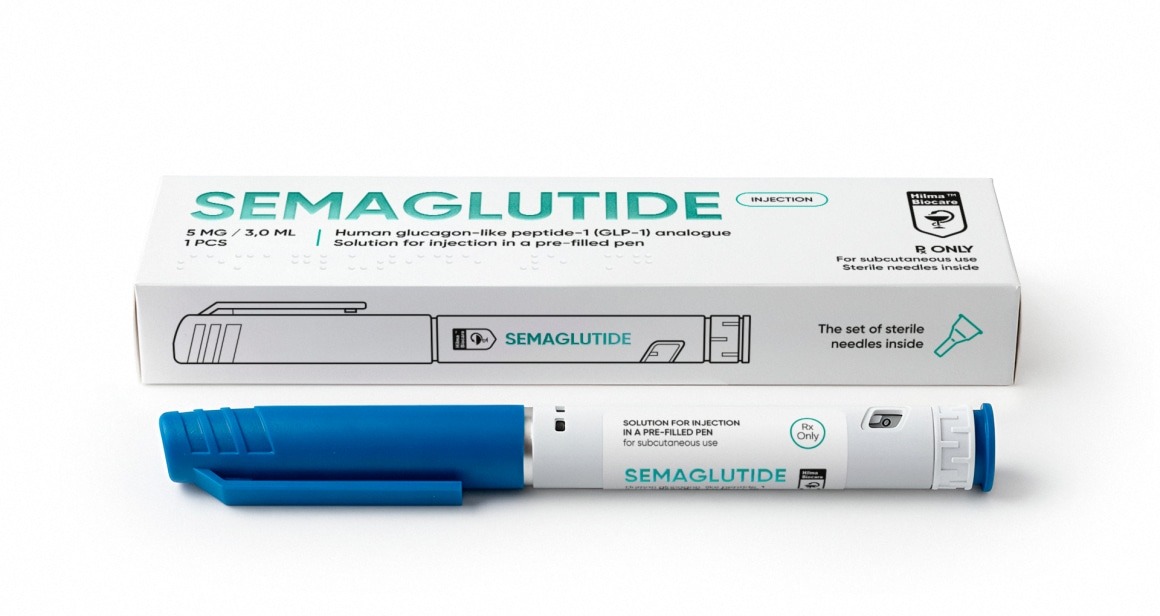
Semaglutide (pre-filed pen): 7 Important Facts About Uses and Safety
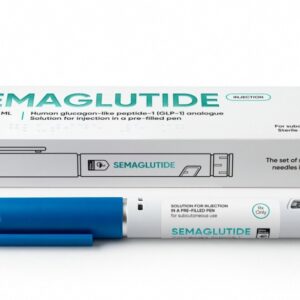
A Semaglutide (pre-filed pen) is an injection device containing semaglutide, a prescription medicine used for certain metabolic conditions. Semaglutide belongs to a class of medicines known as GLP-1 receptor agonists, which influence blood glucose regulation, appetite, and feelings of fullness. Semaglutide (pre-filed pen) Semaglutide (pre-filed pen) Semaglutide (pre-filed pen)
Semaglutide has received significant attention because of its role in type 2 diabetes management and, for eligible patients, chronic weight management. However, different semaglutide products have different approved uses, and treatment requires appropriate medical supervision.
This guide explains how a Semaglutide pre-filled pen works, its potential benefits, common side effects, storage requirements, and the importance of obtaining authentic prescription medication.
1. What Is a Semaglutide (pre-filed pen)?
A Semaglutide pre-filled pen is a medical device designed to deliver a prescribed amount of semaglutide through a subcutaneous injection, which means an injection under the skin. Depending on the product, the pen may contain multiple doses or be designed for a particular dosing schedule.
Semaglutide is a glucagon-like peptide-1 (GLP-1) receptor agonist. It acts on pathways involved in blood sugar control and appetite regulation.
Several prescription products contain semaglutide, including Ozempic and Wegovy, although their approved indications, device designs, and instructions differ. Oral semaglutide formulations also exist, but they are not injection pens.
The phrase “pre-filled pen” describes the delivery device. It does not by itself establish that a product is authentic, properly stored, or authorized for sale.
2. How Does a Semaglutide Pre-Filled Pen Work?
Semaglutide activates GLP-1 receptors, which are involved in regulating blood glucose and appetite.
Its effects include helping the pancreas release insulin when blood glucose is elevated, reducing glucagon secretion when appropriate, and slowing stomach emptying. It can also influence appetite and feelings of fullness, which may reduce food intake.
These actions can help improve blood sugar control in people with type 2 diabetes. In products approved for weight management, appetite-related effects can support weight reduction when treatment is appropriate for the patient.
Semaglutide is not insulin and does not work in exactly the same way as insulin. Its benefits and risks depend on the individual’s health, other medications, and the specific product prescribed.
3. Approved Uses of a Semaglutide (pre-filed pen)
The approved uses of semaglutide depend on the product and the country where it is prescribed.
In the United States, Ozempic is used for type 2 diabetes management in eligible patients and has additional approved indications for certain cardiovascular and kidney-related risk reductions in specified populations. Wegovy is approved for chronic weight management in eligible patients and has additional indications for certain patients, according to its current prescribing information.
Not every semaglutide product is approved for every use. A medicine prescribed for diabetes should not automatically be treated as interchangeable with a product prescribed for weight management.
A healthcare professional can assess whether treatment is appropriate based on factors such as medical history, current medications, treatment goals, and potential contraindications. Always consult the product information applicable to your country.
4. Potential Benefits of Semaglutide Treatment
When prescribed for an approved indication, semaglutide may provide several benefits:
- Blood glucose management: It can improve blood sugar control in eligible people with type 2 diabetes.
- Weight management: Certain approved products can support weight reduction in eligible patients.
- Appetite regulation: It can influence hunger and feelings of fullness.
- Additional health benefits: Some products have approved cardiovascular or other risk-reduction indications for particular patient groups.
Results vary from person to person. Semaglutide is not a guaranteed weight-loss solution, and treatment should be part of an appropriate care plan.
Healthy eating, physical activity, regular monitoring, and ongoing medical support may remain important during treatment. A prescriber can explain realistic expectations and determine how progress should be evaluated.
5. Semaglutide (pre-filed pen) Side Effects and Safety
The most common side effects of semaglutide involve the digestive system. These may include nausea, vomiting, diarrhea, constipation, and abdominal discomfort. Symptoms can be more noticeable when treatment begins or when the prescribed regimen changes.
Important safety considerations include:
- Dehydration and kidney problems: Persistent vomiting or diarrhea can cause fluid loss and worsen kidney function.
- Pancreatitis: Severe, persistent abdominal pain requires prompt medical assessment.
- Gallbladder problems: Gallstones and gallbladder inflammation have been reported.
- Low blood sugar: The risk can increase when semaglutide is combined with insulin or certain other diabetes medicines.
- Diabetic retinopathy complications: Some people with diabetes may need closer eye monitoring, particularly if blood glucose improves rapidly.
- Delayed stomach emptying: Semaglutide may be unsuitable for some people with severe gastrointestinal conditions and may be relevant before anesthesia or deep sedation.
US prescribing information includes a boxed warning concerning thyroid C-cell tumors observed in rodents. Products carrying this warning are contraindicated under US labeling for people with a personal or family history of medullary thyroid carcinoma or multiple endocrine neoplasia syndrome type 2 (MEN2).
Semaglutide is not intended for weight loss during pregnancy. Anyone who is pregnant, planning pregnancy, or breastfeeding should discuss the appropriate course of action with a healthcare professional and follow the specific product’s prescribing information.
6. Storage and Handling of a Semaglutide (pre-filed pen)
Storage requirements vary by product, pen design, and manufacturer. Some products require refrigeration before use, while permitted storage conditions after first use can differ.
Always follow the official instructions supplied with the specific pen. Do not freeze the medication, expose it to excessive heat, or use it if it has been stored outside the permitted conditions.
Check the packaging, expiry date, and appearance of the medicine according to the manufacturer’s instructions. Do not share injection pens, even if the needle is changed, because sharing can transmit infection.
If the storage history is uncertain or the pen appears damaged, consult a pharmacist before using it.
7. How to Verify a Semaglutide (pre-filed pen)
Because semaglutide is a prescription medicine, obtaining it through a reliable supply chain is an important safety measure. Products from unauthorized sellers may be counterfeit, improperly stored, mislabeled, or of uncertain quality.
Before use, verify the product name, manufacturer, packaging, batch information, expiry date, and local authorization with a licensed pharmacist. Online photographs and seller testimonials cannot confirm that a product is genuine.
Be especially cautious of products advertised with guaranteed results or sold without appropriate prescription requirements. Compounded or nonstandard formulations may have different quality, labeling, and regulatory considerations from approved branded medicines.
Use the pen only as prescribed and ask a pharmacist or healthcare professional to explain the instructions if anything is unclear.
Frequently Asked Questions About Semaglutide Pre-Filled Pens
What is a Semaglutide pre-filled pen used for?
Depending on the specific product and local authorization, semaglutide may be prescribed for type 2 diabetes management, chronic weight management, or certain additional approved indications.
Is semaglutide a prescription medicine?
Yes, semaglutide products are prescription medicines in many jurisdictions and should be used under appropriate medical supervision.
Does a Semaglutide pre-filled pen cause side effects?
Yes. Digestive symptoms are common, and more serious complications can occur. Patients should understand the official product warnings and seek medical advice when needed.
Are all semaglutide pens the same?
No. Different products may have different indications, strengths, device designs, and instructions. Follow the information provided for the exact product prescribed. Semaglutide (pre-filed pen) Semaglutide (pre-filed pen) Semaglutide (pre-filed pen) Semaglutide (pre-filed pen)
Conclusion
A Semaglutide pre-filled pen delivers semaglutide, a prescription medicine that acts on GLP-1 receptors to support blood glucose regulation and, for eligible patients, weight management. Its potential benefits must be balanced against possible side effects, contraindications, and the importance of authentic products and correct handling. Consult a qualified healthcare professional to determine whether a specific semaglutide product is appropriate for your needs.