Semaglutide: 7 Facts About Medical Uses, Benefits, and Safety
Semaglutide is a prescription medicine used to manage type 2 diabetes and, in specific approved formulations, support long-term weight management. It belongs to a class of medicines known as glucagon-like peptide-1 (GLP-1) receptor agonists, which influence blood sugar regulation, appetite, and digestion.
Interest in semaglutide has grown because of its effects on blood glucose and body weight. However, it is important to understand its approved medical uses, potential benefits, side effects, and safety requirements before considering treatment. This guide provides an overview of semaglutide and the importance of professional medical supervision.
1. What Is Semaglutide?
This is a medicine that mimics the action of GLP-1, a naturally occurring hormone involved in glucose regulation and appetite. It is available in different prescription formulations, including injectable medicines and oral tablets, depending on the brand and country.
In the United States, it is marketed under several brand names, including:
- Ozempic: Used for type 2 diabetes and certain additional risk-reduction indications specified in its prescribing information.
- Wegovy: Approved for specific weight-management indications and certain additional conditions, depending on the formulation and current labeling.
- Rybelsus: An oral semaglutide product used for type 2 diabetes under its approved prescribing information.
These products are not automatically interchangeable. Their approved uses, formulations, and instructions differ. Patients should follow the product information applicable to their prescription and country.
2. How Does Semaglutide Work?
It activates GLP-1 receptors, helping the body regulate blood glucose and appetite. It can stimulate insulin release when blood sugar is elevated and reduce the release of glucagon under relevant conditions.
It also slows stomach emptying, particularly during treatment initiation, and acts on appetite-related pathways that can influence food intake and feelings of fullness.
These effects may support improved blood sugar control and weight reduction in eligible patients. However, individual results vary according to health status, treatment tolerance, lifestyle, and other medicines.
This is not insulin and does not replace a comprehensive diabetes-management plan. Patients should continue following their clinician’s advice about nutrition, physical activity, monitoring, and other prescribed treatments.
3. What Are the Potential Benefits of Semaglutide?
When used for an approved indication, semaglutide may provide several benefits.
Blood glucose management: Semaglutide can help improve blood sugar control in adults with type 2 diabetes when used as directed alongside appropriate lifestyle measures.
Weight management: Certain approved semaglutide products can support weight reduction and long-term weight management in eligible patients when combined with a reduced-calorie eating plan and increased physical activity.
Cardiovascular risk reduction: Specific semaglutide products have approved indications for reducing certain major cardiovascular risks in defined patient groups. The applicable indication depends on the product and the patient’s medical history.
These benefits do not mean that semaglutide is suitable for everyone. A healthcare professional should determine whether its expected benefits outweigh its risks for an individual patient.
4. Semaglutide Side Effects and Safety Considerations
This can cause side effects, especially those involving the digestive system. Commonly reported effects include:
- Nausea
- Vomiting
- Diarrhea
- Constipation
- Abdominal discomfort or pain
- Reduced appetite
Some patients experience symptoms when starting treatment or following a clinician-directed adjustment. Persistent vomiting or diarrhea can lead to dehydration and may affect kidney function.
More serious risks include inflammation of the pancreas, gallbladder problems, and serious allergic reactions. Low blood sugar may occur, particularly when semaglutide is used with insulin or certain other diabetes medicines. Some patients with diabetes-related eye disease may require closer monitoring.
This products also carry a warning about thyroid C-cell tumors observed in rodents. The relevance of this finding to humans remains uncertain. Under current United States labeling, relevant semaglutide products are contraindicated in people with a personal or family history of medullary thyroid carcinoma or multiple endocrine neoplasia syndrome type 2 (MEN 2).
Seek urgent medical care for severe, persistent abdominal pain, breathing difficulty, facial or throat swelling, or other potentially serious reactions.
5. Who Should Consult a Doctor Before Using Semaglutide?
Before starting this, patients should discuss their medical history, current medications, allergies, and treatment goals with a qualified healthcare professional.
Specialist advice is particularly important for people with a history of pancreatitis, gallbladder disease, diabetic retinopathy, kidney problems, severe digestive disorders, or significant dehydration. Patients using insulin or other glucose-lowering medicines may need their treatment plan reviewed to reduce the risk of hypoglycemia.
This is not recommended for weight management during pregnancy, and the appropriate action depends on the specific product and clinical circumstances. Anyone who is pregnant, planning pregnancy, or breastfeeding should discuss treatment with a healthcare professional before use.
Patients should also disclose any planned surgery or procedure involving anesthesia or deep sedation because GLP-1 medicines can affect stomach emptying.
6. Using and Storing Semaglutide Responsibly
This should be used according to the instructions for the specific prescribed product. Injectable and oral formulations have different administration requirements, and patients should not assume that instructions for one brand apply to another.
Important precautions include:
- Obtain the medicine through a legitimate, licensed pharmacy.
- Follow the official product leaflet for administration and storage.
- Do not change the prescribed treatment plan without medical advice.
- Do not combine semaglutide with another semaglutide-containing product or another GLP-1 medicine unless specifically directed by a qualified clinician.
- Report persistent or severe side effects promptly.
- Check packaging, expiry dates, and product authenticity before use.
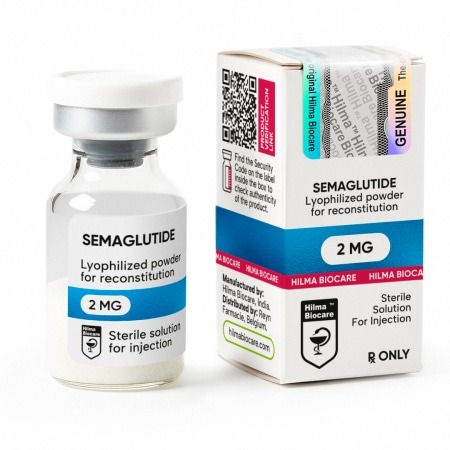
Avoid products from unverified sellers. Counterfeit or improperly handled medicines may have incorrect ingredients, unsuitable concentrations, or inadequate storage histories.
7. Frequently Asked Questions About Semaglutide
Is semaglutide approved for weight loss?
Certain semaglutide products are approved for weight management in eligible patients. Approval criteria and product availability vary by country.
Is it used for diabetes?
Yes. Several semaglutide formulations have approved uses for type 2 diabetes, with specific indications determined by the product’s prescribing information.
Does it have side effects?
Yes. Digestive symptoms are common, while more serious complications can occur less frequently. Patients should understand the warning signs and discuss concerns with their healthcare professional.
Are all of this products the same?
No. Different brands and formulations have distinct approved indications and administration instructions. They should not be treated as automatically interchangeable.
Conclusion
This is an established prescription medicine with important roles in type 2 diabetes management and, in certain approved formulations, long-term weight management. Its effects on blood glucose, appetite, and digestion can provide meaningful benefits for eligible patients, but it also has potential side effects and contraindications.
The safest approach is to use an approved product under professional supervision, obtain it from a legitimate pharmacy, and follow the prescribing information for the exact formulation.
Medical disclaimer: This article is for educational purposes only and does not replace professional medical advice, diagnosis, or treatment.
References: