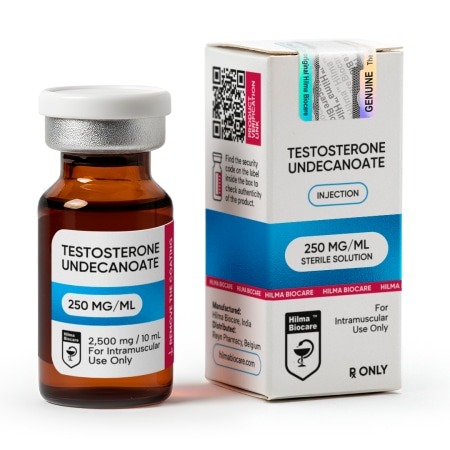
Testosterone Undecanoate: 7 Essential Facts About Uses, Effects, and Safety
Introduction
Testosterone Undecanoate is a long-acting form of testosterone used in certain prescription medicines to treat specific cases of testosterone deficiency. Testosterone is a naturally occurring hormone that supports reproductive function, bone health, muscle maintenance, red blood cell production, and other essential processes in the body.
Unlike some shorter-acting testosterone formulations, testosterone undecanoate is designed to provide prolonged hormone release. It is available in different formulations, including injectable products and oral capsules in some countries. These formulations are not interchangeable, and their approved uses, administration requirements, and safety considerations can differ.
Although testosterone undecanoate is sometimes discussed in bodybuilding and fitness communities, it is a hormone medication rather than a standard dietary supplement. Understanding its medical uses, potential adverse effects, and monitoring requirements helps readers make informed decisions with qualified healthcare professionals.
1. What Is Testosterone Undecanoate?
Testosterone undecanoate is an ester of testosterone. The ester influences how the medicine is absorbed and processed, allowing certain formulations to provide a longer duration of exposure than some other testosterone products.
Prescription products containing testosterone undecanoate are intended for specific medical situations. The exact formulation, concentration, approved indication, and prescribing instructions depend on the product and country.
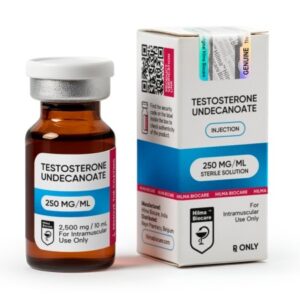
It is important to distinguish medically regulated testosterone products from unverified products sold online. An unfamiliar brand name, attractive packaging, or seller’s claim does not establish that a product contains the stated ingredient or meets pharmaceutical quality standards.
2. What Is Testosterone Undecanoate Used For?
Testosterone medicines may be prescribed to adult men who have symptoms consistent with testosterone deficiency and whose diagnosis has been confirmed through appropriate clinical evaluation and laboratory testing.
Potential symptoms of low testosterone include reduced sexual desire, low energy, decreased muscle mass, and changes in mood. However, these symptoms can have many other causes, including sleep disorders, medication effects, metabolic conditions, and psychological stress. A healthcare professional must assess the underlying cause before treatment is considered.
Testosterone undecanoate is not a general remedy for fatigue, a guaranteed treatment for sexual difficulties, or a suitable option for everyone seeking changes in muscle size or athletic performance. Treatment should be based on a confirmed diagnosis and the approved product information.
3. How Does Testosterone Undecanoate Work?
Testosterone interacts with androgen receptors in different tissues and influences the activity of genes involved in reproductive function, muscle and bone maintenance, and the development of male secondary sexual characteristics.
When prescribed for confirmed testosterone deficiency, treatment aims to restore testosterone levels to an appropriate range and improve symptoms related to the deficiency. The response depends on the person’s medical condition, the formulation used, absorption, and other individual factors.
Because testosterone affects several body systems, taking it without medical supervision can disrupt normal hormone regulation. External testosterone can reduce the body’s own hormone production and interfere with sperm production. It may also affect blood pressure, red blood cell levels, fluid balance, and other health measures.
4. Potential Side Effects of Testosterone Undecanoate
Testosterone undecanoate can cause side effects, even when prescribed. The specific risks depend partly on the formulation and the person’s health history.
Possible adverse effects include:
- Acne and oily skin: Changes in androgen activity may affect the skin.
- Fluid retention: Swelling or weight changes related to fluid accumulation may occur.
- Increased red blood cell count: Testosterone may raise hematocrit, which requires appropriate monitoring.
- Blood pressure changes: Some testosterone products may increase blood pressure.
- Hormonal suppression: Treatment can reduce natural testosterone production and sperm production.
- Breast changes: Tenderness or enlargement may occur in some people.
- Prostate-related effects: Urinary symptoms and prostate health may require assessment according to individual risk.
- Sleep-related concerns: Testosterone may worsen sleep apnea in susceptible individuals.
Injectable formulations have additional administration-specific risks. Certain long-acting intramuscular testosterone undecanoate products carry warnings about rare serious breathing or allergic reactions immediately after injection and require product-specific precautions and observation. Follow the exact prescribing information for the medicine used.
Seek urgent medical attention for chest pain, sudden shortness of breath, severe allergic symptoms, sudden weakness, or other severe or unexpected symptoms.
5. Fertility and Natural Hormone Production
Fertility is an important consideration before starting testosterone therapy. Testosterone supplied from outside the body can suppress the hormonal signals that stimulate sperm production in the testes. This may significantly reduce sperm count and can cause infertility during treatment.
Recovery after stopping treatment varies and may take considerable time. It is not possible to guarantee when fertility will return or whether recovery will be complete.
People who want to conceive should discuss this goal with a healthcare professional before beginning testosterone therapy. A specialist can explain the potential effects on fertility and evaluate suitable alternatives based on the underlying condition.
6. Medical Monitoring and Product Quality
Before prescribing testosterone undecanoate, a healthcare professional may assess symptoms, medical history, blood pressure, testosterone levels, blood count, and other factors relevant to the individual’s health. Additional assessment may be needed based on age, risk factors, and the product being considered.
Follow-up may include checking testosterone levels, hematocrit, blood pressure, adverse effects, and prostate-related concerns when clinically appropriate. Patients should not adjust doses, change administration schedules, or combine hormone medicines without guidance from the prescribing professional.
Product quality is equally important. Unverified products may be counterfeit, contaminated, incorrectly labeled, or stored under unsuitable conditions. Medicines should be obtained through legitimate pharmacies and used according to the official package leaflet. A pharmacist can help verify product details and explain the correct storage and handling requirements.
7. Legal Status and Sports Regulations
The legal status of testosterone undecanoate varies by country. Products may be subject to prescription, dispensing, importation, and possession restrictions. Check the applicable local regulations and use authorized medical services.
Testosterone is also prohibited in many organized sports under anti-doping rules unless an applicable therapeutic-use exemption has been approved. Athletes should consult the current rules of their governing organization before using any testosterone medicine.
Online availability does not necessarily mean that a product is approved, lawful to import, or appropriate for an individual’s medical needs.
Frequently Asked Questions About Testosterone Undecanoate
Is testosterone undecanoate a supplement?
No. It is a testosterone medicine available in certain prescription formulations, not an ordinary dietary supplement.
Is testosterone undecanoate long-acting?
Yes. It is used in formulations designed for prolonged hormone release, although the duration and administration instructions differ between oral and injectable products.
Can testosterone undecanoate affect fertility?
Yes. External testosterone can suppress sperm production and reduce fertility. People planning to conceive should seek medical advice before starting treatment.
Does testosterone undecanoate require monitoring?
Yes. A healthcare professional may monitor testosterone levels, blood count, blood pressure, side effects, and other health measures based on the patient’s risk factors and the product used.
Is testosterone undecanoate suitable for bodybuilding?
It is not a general-purpose bodybuilding supplement. Using testosterone without a medical indication can cause significant hormonal, reproductive, cardiovascular, and other health risks.
Conclusion
Testosterone undecanoate is a long-acting testosterone ester used in certain prescription medicines for specific cases of testosterone deficiency. Its effects extend beyond reproductive health and may influence blood production, cardiovascular measures, fluid balance, and natural hormone regulation.
Before considering treatment, individuals should obtain a proper medical evaluation, discuss fertility goals, understand formulation-specific warnings, and use only regulated medicines under professional supervision. Accurate information and appropriate follow-up are essential for reducing avoidable risks.