NAD+: 7 Important Facts About Benefits, Cellular Energy, and Safety
Introduction
NAD+ (Nicotinamide Adenine Dinucleotide) is a coenzyme found in every living cell. It plays a critical role in energy metabolism, cellular function, and biological processes that help maintain normal health. It is especially important because it participates in reactions that allow cells to convert nutrients into usable energy.
Interest in it has increased as researchers investigate its relationship with aging, mitochondrial function, metabolism, and cellular repair. Supplements and injectable products marketed to support the levels have also become popular in the wellness industry.
However, understanding this requires separating its established biological functions from claims that increasing its levels will necessarily improve energy, slow aging, or extend lifespan. This guide explains what it is, how it works, its potential applications, available evidence, and important safety considerations.
1. What Is NAD+?
This stands for nicotinamide adenine dinucleotide. It is a coenzyme that helps enzymes carry out essential chemical reactions throughout the body.
This exists in two primary forms: This (the oxidized form) and NADH (the reduced form). These forms work together in metabolic reactions, particularly those involved in converting carbohydrates, fats, and other nutrients into energy.
Beyond energy metabolism, This is involved in cellular signaling, DNA repair processes, and the activity of enzymes such as sirtuins and PARPs.
Because it is essential to normal cellular function, scientists continue to study how its production, consumption, and recycling change during aging and in different diseases.
2. How Does NAD+ Work in the Body?
This supports several biological processes.
- Energy production: It helps transfer electrons during metabolic reactions that contribute to ATP production, the main energy-carrying molecule in cells.
- Mitochondrial function: This and NADH participate in processes that help mitochondria generate energy.
- Cellular signaling: This serves as a substrate for enzymes involved in regulating cell activity.
- DNA maintenance: Certain enzymes use it in processes involved in responding to DNA damage.
- Metabolic regulation: This -dependent enzymes participate in pathways that influence how cells respond to nutrients and stress.
These functions explain why it is important to human biology. However, the importance of a molecule does not mean that taking additional amounts will automatically improve health. The effects depend on the person’s physiology, the intervention used, and the condition being studied.
3. NAD+ and Potential Health Benefits
Research into it metabolism has identified several areas of scientific interest.
Cellular energy and metabolism
This is essential for normal energy metabolism. Researchers are examining whether interventions that increase it’s availability can improve specific metabolic functions in people with certain health conditions.
Mitochondrial health
Because it participates in energy-producing pathways, it is relevant to research into mitochondrial function. Nevertheless, increasing in does not guarantee better mitochondrial performance or improved physical endurance.
Healthy aging
Some studies suggest that it metabolism changes with age. Researchers are investigating whether restoring it availability may influence age-associated biological processes.
At present, evidence that it’s -boosting interventions reliably slow human aging or extend lifespan remains insufficient.
Cellular maintenance
This supports enzymes involved in cellular signaling and DNA repair. These mechanisms are scientifically important, but their existence alone does not establish that is supplements prevent disease or reverse cellular damage.
4. NAD+ Supplements, Precursors, and Injectable Products
This is marketed in several forms, but these products are not interchangeable.
NAD+ supplements: Oral products are marketed to support a metabolism. The extent to which a particular product changes in levels in relevant human tissues, and whether that produces meaningful health benefits, requires careful evaluation.
NAD+ precursors: Nicotinamide riboside (NR) and nicotinamide mononucleotide (NMN) are compounds involved in pathways that help the body produce it. Some human studies show that these precursors can increase certain NAD-related measurements, but the clinical significance varies.
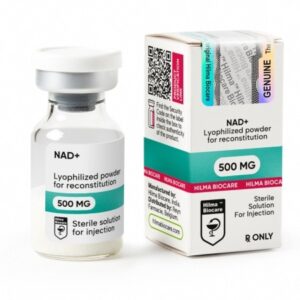
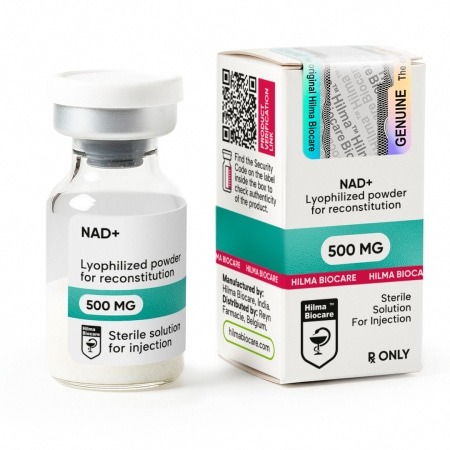
Injectable NAD+: Intravenous and other injectable this products are marketed by some wellness providers for energy, recovery, and general well-being. Evidence supporting many of these uses remains limited, and high-quality research has not established that injectable that provides broad anti-aging or performance benefits.
A rise in a laboratory measurement is not the same as proof of improved health, longer life, or better physical performance.
5. Does NAD+ Decline With Age?
Research suggests that this metabolism may change with aging, although the magnitude and pattern of these changes differ across tissues, individuals, and experimental methods.
Scientists are investigating why is availability changes and whether modifying its production or breakdown could help address particular age-related conditions.
Several factors can influence it metabolism, including nutritional status, cellular energy demands, enzyme activity, and underlying health conditions.
Healthy habits such as balanced nutrition, regular physical activity, adequate sleep, and avoiding tobacco can support general health. However, these measures should not be described as guaranteed ways to increase it’s levels or reverse aging.
More research is needed to determine which is -targeted interventions provide meaningful benefits for specific groups of people.
6. NAD+ Side Effects and Safety Considerations
Safety depends on the product, formulation, amount used, route of administration, and a person’s health status.
Potential considerations include:
- Oral supplements: Some of this precursors may cause digestive discomfort or other side effects. Long-term safety data are not equally strong for every product.
- Injectable products: Infusions or injections may cause discomfort or other reactions. Infusions can also produce adverse symptoms, and injection procedures carry risks such as infection when improperly performed.
- Product quality: Products from unreliable suppliers may have inaccurate labeling, contamination, or inadequate quality controls.
- Medication interactions: People taking prescription medicines or managing chronic conditions should consult a healthcare professional before using it -related products.
- Pregnancy and breastfeeding: Safety information may be insufficient for some supplements and injectable preparations.
Do not assume that a product is safe because it naturally occurs in the body. A substance’s normal biological role does not establish the safety of every supplemental form or method of administration.
7. Is NAD+ Worth Considering?
This is essential to cellular function, and research into its metabolism may eventually lead to useful treatments for specific medical conditions. However, the evidence does not currently justify treating all it supplements, precursors, or injections as proven solutions for fatigue, aging, or general wellness.
Before choosing a product, consider the specific goal, the quality of human clinical evidence, potential adverse effects, product quality, and the advice of a qualified healthcare professional.
For people experiencing persistent fatigue or unexplained changes in energy, evaluating possible underlying causes is more appropriate than automatically assuming that the levels are low.
Frequently Asked Questions About NAD+
What does NAD+ stand for?
This stands for nicotinamide adenine dinucleotide, a coenzyme involved in energy metabolism, cellular signaling, and other essential biological processes.
What is NAD+ used for?
Inside the body, that supports metabolic reactions and enzyme activity. Products marketed as is supplements or treatments are promoted for various wellness purposes, but their effectiveness depends on the specific formulation and intended use.
Does NAD+ help with aging?
This is being studied in relation to aging and cellular health. However, there is not enough clinical evidence to conclude that the supplementation or injections slow human aging or extend lifespan.
Are NAD+ and NMN the same?
No. NAD+ is a coenzyme, while NMN is a precursor involved in NAD+ production. They have different chemical structures and should not be considered interchangeable.
Is NAD+ better than NR or NMN?
There is no universal answer. NAD+, NR, and NMN differ in how they are administered and processed. The best-supported choice depends on the intended purpose and the quality of available clinical evidence.
Are NAD+ injections safe?
They can carry risks, including adverse reactions and complications related to administration. Safety depends on the formulation, clinical circumstances, and product quality. Consult a qualified healthcare professional before considering injectable treatment.
Can NAD+ increase energy?
NAD+ is essential for cellular energy metabolism, but that does not prove that taking NAD+ products will improve energy levels in otherwise healthy people. Persistent fatigue deserves appropriate medical assessment.
Conclusion
NAD+ is a vital coenzyme involved in cellular energy production, mitochondrial metabolism, and biological maintenance processes. Its role in normal physiology has made it an important subject of research into aging and metabolic health.
Although NAD+ supplements, precursors, and injectable products receive considerable attention, evidence of meaningful benefits varies, and many commercial claims remain unproven. Understanding the difference between established biology and clinical evidence can help consumers make better-informed decisions.
Medical disclaimer: This article is for educational and SEO purposes only. It is not medical advice or a recommendation to start, stop, or change a treatment. Consult a qualified healthcare professional before using supplements or injectable products.