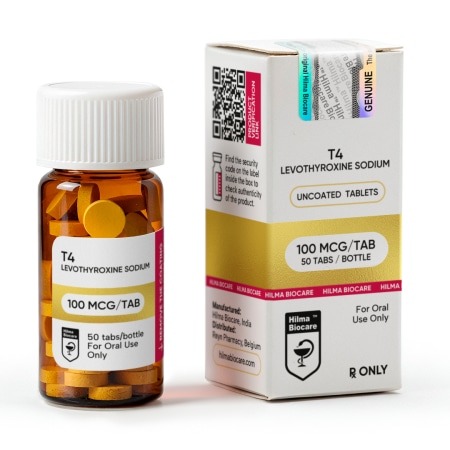
T4-Levothyroxine sodium: 7 Essential Facts About Uses and Safety
Introduction to T4 Levothyroxine Sodium
T4 Levothyroxine Sodium is a synthetic form of thyroxine, a hormone naturally produced by the thyroid gland. It is widely used as a prescription medication to treat hypothyroidism, a condition in which the thyroid does not produce enough thyroid hormone to meet the body’s needs.
Thyroid hormones help regulate metabolism, energy use, body temperature, heart function, and many other essential processes. Levothyroxine replaces the hormone that the body cannot produce in sufficient quantities. Understanding its medical uses, possible side effects, and monitoring requirements is important for anyone researching thyroid health.
1. What Is T4 Levothyroxine Sodium?
Levothyroxine sodium is a synthetic version of thyroxine, commonly known as T4. The body can convert T4 into triiodothyronine, or T3, which is the more biologically active thyroid hormone in many tissues.
Doctors prescribe levothyroxine primarily for hypothyroidism. It is available in several formulations, including tablets and certain liquid preparations. The appropriate formulation depends on the patient’s medical needs, product availability, and ability to absorb the medication.
It is not a general-purpose energy booster or a routine weight-loss product. Its purpose is to restore or maintain appropriate thyroid hormone levels when medically indicated.
2. Medical Uses of Levothyroxine Sodium
The main use of levothyroxine is treating hypothyroidism. This condition may develop because of autoimmune thyroid disease, thyroid surgery, radioactive iodine treatment, certain medications, or other disorders affecting the thyroid gland.
Symptoms of hypothyroidism can include fatigue, sensitivity to cold, constipation, dry skin, difficulty concentrating, and changes in body weight. These symptoms can have other causes, so diagnosis generally involves a medical assessment and blood tests.
In selected circumstances, levothyroxine may also be prescribed as part of treatment following thyroid cancer or for specific thyroid-related conditions. The treatment goal and monitoring plan vary depending on the diagnosis. T4-Levothyroxine sodium T4-Levothyroxine sodium T4-Levothyroxine sodium T4-Levothyroxine sodium T4-Levothyroxine sodium T4-Levothyroxine sodium T4-Levothyroxine sodium T4-Levothyroxine sodium T4-Levothyroxine sodium T4-Levothyroxine sodium
Taking levothyroxine without a confirmed medical need can cause thyroid hormone levels to become excessive and may lead to serious complications.
3. How Does T4 Levothyroxine Work?
This replaces the T4 hormone that a healthy thyroid gland normally produces. After absorption, some of the medication is converted into T3. These hormones influence how cells use energy and help support normal function across multiple organ systems.
Treatment aims to bring thyroid hormone levels into an appropriate range and relieve symptoms caused by hormone deficiency. Because it has a long half-life, changes in its effects and laboratory measurements occur gradually. T4-Levothyroxine sodium T4-Levothyroxine sodium T4-Levothyroxine sodium T4-Levothyroxine sodium T4-Levothyroxine sodium
Healthcare professionals commonly monitor thyroid-stimulating hormone (TSH) and, when appropriate, free T4 to assess treatment response. Blood tests are often repeated after a dose change or a significant change in formulation, although the exact schedule depends on the patient’s circumstances.
4. Potential Benefits When Medically Prescribed
For people with hypothyroidism, appropriately prescribed levothyroxine can help restore thyroid hormone levels and improve symptoms associated with hormone deficiency.
Potential treatment outcomes include:
- Improved energy levels when fatigue is caused by hypothyroidism.
- Better regulation of body temperature and metabolic processes.
- Improvement in constipation and other symptoms related to low thyroid hormone.
- Support for normal heart, muscle, and nervous system function.
- Maintenance of appropriate thyroid hormone levels during pregnancy when treatment is needed.
Results vary depending on the underlying condition, how long hypothyroidism has been present, other health conditions, and how consistently the medication is taken. Not every symptom will necessarily improve if it has another cause.
5. Side Effects and Important Health Risks
Whenthis is prescribed appropriately and monitored, it is generally well tolerated. However, excessive thyroid hormone replacement can cause symptoms resembling hyperthyroidism.
Possible signs of excessive thyroid hormone include:
- Rapid or irregular heartbeat.
- Palpitations or chest discomfort.
- Tremors, nervousness, or anxiety.
- Increased sweating and heat intolerance.
- Difficulty sleeping.
- Diarrhea or other digestive changes.
- Unintended weight loss.
Long-term overtreatment can increase the risk of abnormal heart rhythms and bone loss, particularly in older adults and postmenopausal women.
Chest pain, fainting, severe shortness of breath, or a sustained rapid or irregular heartbeat warrants urgent medical assessment. Patients should not increase or reduce their medication independently to address symptoms without professional guidance.
6. Absorption, Interactions, and Proper Use
This absorption can be affected by food, supplements, and other medicines. Patients are generally advised to take it consistently according to the instructions supplied with their prescription, often on an empty stomach with water.
Calcium supplements, iron supplements, certain antacids, and some other products can interfere with absorption when taken too close to levothyroxine. Some medicines and gastrointestinal conditions can also affect thyroid hormone requirements.
Patients should tell their healthcare professional about all prescription medicines, non-prescription products, and supplements they use. Consistency is important because changing the timing, formulation, or pattern of administration may affect laboratory results and the amount of medication absorbed. T4-Levothyroxine sodium T4-Levothyroxine sodium T4-Levothyroxine sodium T4-Levothyroxine sodium
People who are pregnant, planning pregnancy, or being treated for heart disease may need particularly careful medical monitoring. This requirements can change during pregnancy, so thyroid testing and clinical follow-up are important.
7. Frequently Asked Questions About T4 Levothyroxine Sodium
What does T4 mean in levothyroxine?
T4 stands for thyroxine, the thyroid hormone that levothyroxine is designed to replace.
Is levothyroxine used to treat hypothyroidism?
Yes. Its primary use is replacing thyroid hormone in people whose thyroid gland does not produce enough hormone.
Can levothyroxine be used for weight loss?
It should not be used for weight loss in people with normal thyroid function. Excess thyroid hormone can cause dangerous cardiovascular complications, muscle loss, and bone loss.
How is levothyroxine monitored?
Healthcare professionals usually monitor TSH and may also measure free T4, depending on the patient’s condition and treatment goals.
Can levothyroxine interact with supplements?
Yes. Calcium and iron supplements, among other products, can reduce its absorption if taken too close together. Patients should follow their prescription instructions and ask a pharmacist or clinician about appropriate timing.
Conclusion
T4 Levothyroxine Sodium is an important prescription medication used to replace thyroid hormone in people with hypothyroidism and in selected other thyroid-related conditions. By restoring hormone levels, it can help support normal metabolism and improve symptoms caused by thyroid hormone deficiency.
Safe treatment depends on an appropriate diagnosis, consistent administration, awareness of potential interactions, and laboratory monitoring. Levothyroxine should not be used as a performance-enhancement or weight-loss medication. Anyone experiencing persistent symptoms or possible side effects should consult a qualified healthcare professional before making changes to treatment. T4-Levothyroxine sodium T4-Levothyroxine sodium T4-Levothyroxine sodium