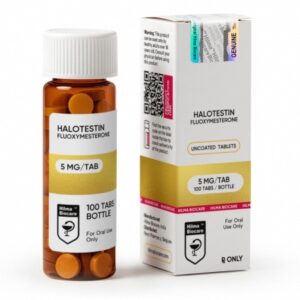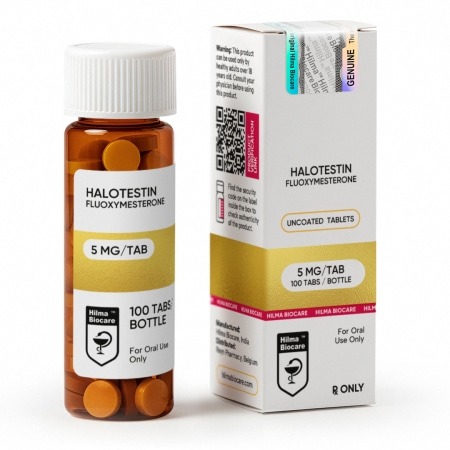
Halotestin (Fluoxymesterone): Uses, Effects, Side Effects, and Risks
Introduction
Halotestin, the brand name for fluoxymesterone, is a synthetic androgenic-anabolic steroid derived from testosterone. It has been used in certain medical settings because of its androgenic activity. However, fluoxymesterone carries significant health risks, particularly involving the liver, cardiovascular system, cholesterol levels, and the body’s natural hormone production.
Understanding what Halotestin is, how it works, its medical applications, and its potential adverse effects is important for anyone researching androgenic medications. It is not a general wellness product, and nonmedical use for bodybuilding or athletic performance can expose individuals to serious complications.
What Is Halotestin (Fluoxymesterone)?
Fluoxymesterone is an orally active synthetic androgen. It interacts with androgen receptors, which influence the development and maintenance of male sexual characteristics and other physiological processes.
Unlike some other testosterone-derived compounds, fluoxymesterone has a chemically modified structure that allows it to remain active when taken orally. This characteristic is also associated with important safety concerns, especially its potential to cause liver injury.
Halotestin has historically been associated with selected medical uses involving androgen deficiency and certain hormone-related conditions. Availability, approved indications, and prescribing practices can vary by country and change over time. Medical use should always be guided by a qualified healthcare professional.
How Does Halotestin Work?
Fluoxymesterone works primarily by binding to androgen receptors in various tissues. These receptors help regulate gene expression and influence processes such as sexual development, reproductive function, and the maintenance of certain tissues.
Its androgenic activity may produce changes in characteristics influenced by testosterone. However, these effects do not make the medication appropriate for unsupervised use.
Like other external androgens, fluoxymesterone can interfere with the body’s hormonal feedback system. This may reduce the signals that stimulate natural testosterone production. The resulting hormonal changes can affect reproductive function and may persist after the medication is discontinued.
Medical Uses and Clinical Considerations
Androgen medications have been used in selected clinical circumstances when their expected benefits outweigh the risks. The specific role of fluoxymesterone depends on local prescribing information and current clinical practice.
It should not be assumed that a drug with androgenic effects is an appropriate treatment for every condition associated with low testosterone, fatigue, reduced muscle mass, or changes in athletic performance.
A clinician may need to consider medical history, symptoms, laboratory findings, other medications, and the potential for adverse effects before determining whether androgen treatment is appropriate. Patients should not begin, change, or discontinue a prescribed hormone medication without professional guidance.
Halotestin and Athletic Performance
Halotestin is discussed in bodybuilding and strength-sport communities because of its potent androgenic properties. However, anecdotal reports and online marketing claims are not reliable evidence that nonmedical use is safe or produces predictable results.
Using fluoxymesterone to improve strength, physique, aggression, or athletic performance carries substantial risks. Changes in training performance do not establish that a compound is safe, and there is insufficient justification for treating it as a routine fitness supplement.
Fluoxymesterone is prohibited under anti-doping rules applicable to anabolic agents. Athletes subject to drug testing should consult the current rules of their governing organization rather than relying on informal advice.
Potential Side Effects of Halotestin
Fluoxymesterone can cause adverse effects that vary according to individual health, exposure, and other factors. Important risks include:
- Liver injury: Oral fluoxymesterone is associated with liver-related complications, including abnormal liver tests and potentially serious hepatic injury.
- Cholesterol changes: It may reduce HDL cholesterol and increase LDL cholesterol, potentially worsening cardiovascular risk.
- Hormonal suppression: External androgen exposure can suppress natural testosterone production and affect reproductive function.
- Skin and hair changes: Acne, increased oiliness, and accelerated hair loss in susceptible individuals may occur.
- Mood and sleep changes: Some users may experience irritability, changes in mood, or other behavioral effects.
- Fluid and blood pressure concerns: Androgen-related changes may contribute to cardiovascular strain in some individuals.
- Reproductive effects: Fertility may be affected through disruption of normal hormonal signaling.
- Other androgenic effects: In women, androgen exposure can cause voice deepening, increased facial or body hair, menstrual changes, and other virilizing effects that may not fully reverse.
These risks should not be considered exhaustive. Individual responses can be unpredictable, and the absence of immediate symptoms does not rule out organ damage.
Liver Health and Cardiovascular Risk
One of the major safety concerns with fluoxymesterone is its potential impact on the liver. Certain oral anabolic steroids can cause cholestatic liver injury, in which the normal flow of bile is impaired. Prolonged or severe injury can require urgent medical attention.
Cardiovascular effects are also important. Unfavorable changes in cholesterol, blood pressure, and other risk factors may increase the likelihood of long-term complications. People with existing liver disease, cardiovascular conditions, or other significant medical problems require particular caution and professional assessment.
Yellowing of the skin or eyes, dark urine, severe abdominal pain, unusual itching, chest pain, or shortness of breath warrant prompt medical evaluation.
Is Halotestin Safe for Nonmedical Use?
Halotestin should not be considered safe for unsupervised bodybuilding or performance enhancement. Potential harms can outweigh perceived benefits, and long-term outcomes from nonmedical use are not reliably predictable.
Products obtained from unregulated online sources may also contain incorrect ingredients, inaccurate concentrations, or contaminants. Packaging and seller claims alone cannot establish a product’s identity, purity, or safety.
Anyone who has used fluoxymesterone and is concerned about side effects should speak honestly with a healthcare professional. Medical assessment may include liver function, lipid levels, blood pressure, and evaluation of hormonal or reproductive symptoms, depending on the person’s circumstances.
Frequently Asked Questions
What is Halotestin also called?
Halotestin is a brand name for fluoxymesterone, a synthetic androgenic-anabolic steroid.
Is Halotestin a testosterone supplement?
No. It is a synthetic androgen that acts on androgen receptors. It is not a nutritional supplement and should not be used as a substitute for medically supervised hormone treatment.
Can Halotestin affect the liver?
Yes. Fluoxymesterone can cause liver-related adverse effects, including potentially serious liver injury. Medical supervision is important when it is prescribed.
Is Halotestin permitted in competitive sports?
Fluoxymesterone is prohibited under anti-doping rules that ban anabolic agents. Athletes should check the current rules that apply to their sport and organization.
Conclusion
Halotestin (fluoxymesterone) is a potent synthetic androgen with a history of selected medical applications and substantial potential risks. Its effects on androgen receptors must be considered alongside concerns involving liver health, cholesterol, cardiovascular function, and natural hormone production.
Reliable information and qualified medical guidance are essential when evaluating this medication. Nonmedical use for bodybuilding or athletic performance is not a risk-free approach, and online claims should never replace evidence-based healthcare advice.