Turinabol: 7 Essential Facts About Uses, Effects, and Risks
Introduction
Turinabol, also known as Oral Turinabol or chlorodehydromethyltestosterone, is a synthetic anabolic-androgenic steroid developed from testosterone. It became known through its historical use in sports doping and is now frequently discussed in bodybuilding and performance-enhancement communities. Despite claims about its effects on strength and physique, Turinabol carries significant health risks and is not a safe or appropriate substitute for medically supervised treatment.
Understanding Turinabol’s properties, biological activity, potential adverse effects, and regulatory status is essential for anyone researching anabolic steroids. Online claims may emphasize physical results while overlooking the possible consequences for the liver, cardiovascular system, reproductive health, and natural hormone production.
What Is Turinabol?
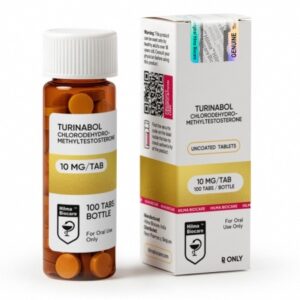
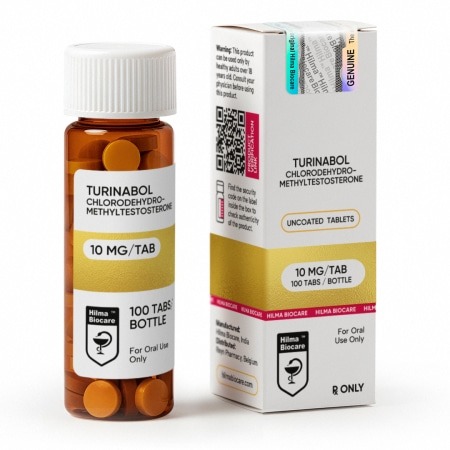
Turinabol is the common name for chlorodehydromethyltestosterone, a synthetic anabolic-androgenic steroid. It was developed in the 1960s and became associated with organized doping in sport, particularly in East Germany’s state-sponsored doping system.
Turinabol is chemically related to testosterone but has structural modifications that alter its activity and allow oral administration. Like other anabolic steroids, it interacts with androgen receptors and can affect gene expression in tissues throughout the body.
Although the compound is often promoted online for physique or athletic goals, this does not establish its safety, effectiveness, or suitability for an individual. Turinabol is not an ordinary dietary supplement, and products sold through unregulated channels may have uncertain ingredients, strength, or purity.
How Does Turinabol Work?
Turinabol acts on androgen receptors, which are involved in regulating the biological effects of androgens. These effects include the development and maintenance of male sexual characteristics and the regulation of certain processes in muscle and bone tissue.
Its anabolic-androgenic activity is the reason it has attracted attention in performance-enhancement settings. However, the distinction between anabolic and androgenic effects does not mean that the compound selectively affects muscle without influencing other organs.
External anabolic steroids can suppress the body’s normal hormonal signaling. This may reduce the production of natural testosterone and affect reproductive function. The extent and duration of these changes vary, and recovery cannot be guaranteed on a predictable schedule.
Turinabol and Athletic Performance
Turinabol has a prominent history in sports doping. Historical accounts associate it with systematic use in East German athletics, raising lasting concerns about athlete welfare, informed consent, and the long-term consequences of drug-based performance enhancement.
Contemporary online discussions often make claims about muscle development, strength, or physique changes. Such claims should be interpreted cautiously because individual experiences are not the same as reliable clinical evidence, and reported benefits do not establish a favorable safety profile.
Using anabolic steroids for athletic performance can also carry consequences beyond health, including competition bans, disqualification, and damage to an athlete’s reputation. Turinabol is prohibited under anti-doping rules that ban anabolic agents.
Potential Side Effects of Turinabol
Turinabol can affect multiple body systems. The risks depend on individual health, exposure, other substances used, and other factors. Potential concerns include:
- Liver injury: Oral anabolic steroids with this chemical structure can cause liver stress and potentially serious liver-related complications.
- Cholesterol changes: Turinabol may lower HDL cholesterol and increase LDL cholesterol, worsening cardiovascular risk.
- Natural testosterone suppression: External androgen exposure can disrupt normal hormone production.
- Reproductive effects: Hormonal suppression may contribute to reduced fertility, changes in sexual function, and testicular changes in men.
- Skin and hair effects: Acne, oily skin, and accelerated hair loss in genetically susceptible people may occur.
- Mood changes: Some individuals may experience irritability, sleep disturbances, or changes in mood.
- Virilization in women: Androgen exposure can cause voice deepening, increased facial or body hair, menstrual irregularities, and other changes that may be irreversible.
- Growth-related concerns: Exposure during adolescence may interfere with normal growth and hormonal development.
This list is not exhaustive. The absence of immediate symptoms does not guarantee that the compound is causing no harm.
Liver Health and Cardiovascular Risks
Liver safety is a major consideration with oral anabolic steroids. Certain compounds can cause cholestatic liver injury, which disrupts the normal flow of bile. More severe complications are possible, and symptoms may not appear immediately.
Cardiovascular health is another concern. Unfavorable cholesterol changes can contribute to atherosclerosis, while changes in blood pressure and other risk factors may further increase long-term cardiovascular risk. The effects may be especially concerning for people with existing liver disease, high cholesterol, hypertension, or a personal or family history of cardiovascular problems.
Yellowing of the skin or eyes, dark urine, severe abdominal pain, chest pain, or shortness of breath requires prompt medical assessment.
Hormonal Effects and Recovery
Because Turinabol acts as an external androgen, it can interfere with the hypothalamic-pituitary-gonadal axis, the system that regulates natural sex hormone production. Suppression may lead to low testosterone symptoms, reduced libido, fertility difficulties, fatigue, or mood changes.
The duration and severity of hormonal disruption are not the same for everyone. Recovery can be variable, and attempting to self-treat steroid-related hormonal problems with additional drugs can introduce further risks. A qualified healthcare professional can determine whether laboratory testing or other evaluation is appropriate.
Is Turinabol Legal and Approved?
The legal status of Turinabol varies by country, and possession, supply, or sale may be restricted under local laws. It should not be assumed to be an approved medication for routine treatment.
This is prohibited in competitive sport under anti-doping rules covering anabolic agents. Athletes should consult the current rules of their governing body and relevant anti-doping organization.
Products sold online may be mislabeled or contaminated. Packaging, testimonials, and seller assurances cannot independently confirm a product’s identity or safety.
Frequently Asked Questions
What is another name for Turinabol?
It commonly known as Oral Turinabol. Its chemical name is chlorodehydromethyltestosterone.
Is Turinabol safe for bodybuilding?
Nonmedical use is not considered risk-free. Potential concerns include liver injury, unfavorable cholesterol changes, hormonal suppression, and reproductive effects.
Can Turinabol suppress natural testosterone?
Yes. Like other anabolic-androgenic steroids, it can disrupt the hormonal signals responsible for normal testosterone production. The degree and duration of suppression vary.
Is Turinabol allowed in competitive sports?
No. Turinabol is prohibited under anti-doping rules that ban anabolic agents. Athletes should verify the current rules that apply to their sport.
Conclusion
This is a synthetic anabolic-androgenic steroid with a significant history in sports doping. Although it is discussed online in relation to athletic performance and physique development, potential risks involving the liver, cardiovascular system, natural hormone production, and fertility should not be overlooked.
Reliable medical information is more valuable than marketing claims or anecdotal reports. Anyone concerned about anabolic steroid exposure or related symptoms should seek advice from a qualified healthcare professional rather than attempting to manage complications independently.