Oxymetholone: 7 Essential Facts About Uses, Effects, and Risks
Introduction
Oxymetholone, commonly associated with the brand name Anadrol, is a synthetic oral anabolic-androgenic steroid. It has been used in specific medical settings, particularly in the treatment of certain forms of anemia. It is also widely discussed in bodybuilding communities because of its potent biological effects. However, its medical applications must be distinguished from nonmedical use for muscle growth or athletic performance.
Oxymetholone can cause serious adverse effects, including liver injury, fluid retention, unfavorable cholesterol changes, and hormonal disruption. Understanding its mechanism, approved medical context, potential side effects, and safety considerations is important for anyone researching this medication.
What Is Oxymetholone?
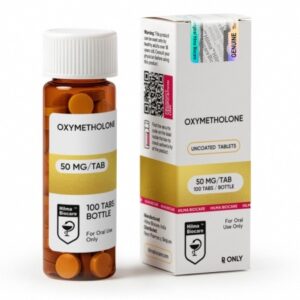
This is a synthetic anabolic-androgenic steroid developed for oral administration. Anadrol is a well-known brand name associated with the compound, although availability and product formulations vary by country.
Historically, oxymetholone has been used to treat certain forms of anemia, including conditions in which the body does not produce enough red blood cells. Its role in clinical care depends on the diagnosis, available alternatives, local prescribing guidance, and an individual’s health status.
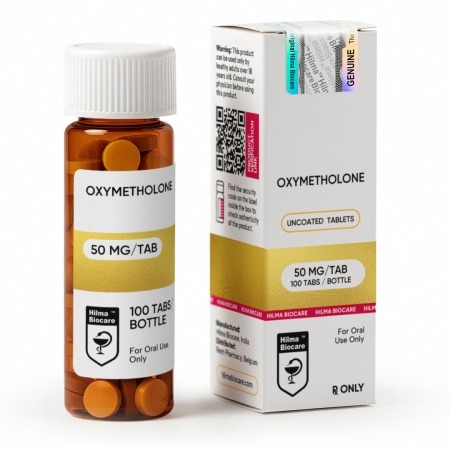
Oxymetholone is not a nutritional supplement. Products sold through unverified online sources may be counterfeit, mislabeled, contaminated, or different from the advertised formulation. A label or seller’s claims cannot establish a product’s identity or safety.
How Does Oxymetholone Work?
This produces anabolic-androgenic effects by interacting with androgen-related biological pathways. Its medical effects in selected anemia settings are complex and are not explained simply by changes in muscle tissue.
Although oxymetholone is discussed as a muscle-building compound, its biological activity affects more than skeletal muscle. It can influence liver function, fluid balance, blood lipids, and the body’s hormonal feedback systems.
Like other externally administered anabolic steroids, oxymetholone may interfere with natural hormone production. The degree of suppression and its duration vary between individuals and cannot be predicted reliably from anecdotal reports.
Medical Uses of Oxymetholone
It has historically been prescribed for selected cases of anemia, including certain anemia types associated with inadequate red blood cell production. It is not appropriate for every form of anemia, and treatment decisions require careful evaluation of the underlying cause.
Anemia can result from nutritional deficiencies, chronic disease, blood loss, inherited conditions, or bone marrow disorders. Because these conditions require different treatments, using an anabolic steroid without a confirmed diagnosis can delay effective care.
A qualified healthcare professional can determine whether oxymetholone has a role in a particular case and assess its risks against alternative treatments. Prescribed use requires appropriate follow-up and monitoring.
Oxymetholone and Bodybuilding
This is frequently discussed in bodybuilding and strength-training communities because of its anabolic activity. However, online reports about muscle development or strength do not establish that nonmedical use is safe or medically appropriate.
Using it for physique enhancement may expose a person to risks that are disproportionate to any perceived benefit. Changes in body weight may also reflect fluid retention rather than muscle tissue alone.
Athletes should be aware that it is prohibited under anti-doping rules covering anabolic agents. Competitive consequences may include disqualification or suspension, depending on the applicable regulations.
Potential Side Effects of Oxymetholone
It can cause a range of adverse effects. Their likelihood and severity depend on individual health, exposure, other medicines, and other factors.
- Liver injury: Oxymetholone is associated with potentially serious liver complications, including cholestatic liver injury.
- Fluid retention: Swelling and fluid accumulation may worsen certain cardiovascular or kidney conditions.
- Blood pressure changes: Fluid retention and other effects may contribute to elevated blood pressure.
- Cholesterol changes: It may lower HDL cholesterol and increase LDL cholesterol, potentially worsening cardiovascular risk.
- Hormonal suppression: Natural testosterone production may decline, affecting sexual function and reproductive health.
- Skin and hair effects: Acne and changes in hair growth or loss may occur.
- Mood changes: Some people may experience irritability, mood changes, or sleep disturbances.
- Androgenic effects in women: Voice deepening, increased facial or body hair, and menstrual changes may occur; some effects may be irreversible.
Other adverse effects are possible. The absence of immediate symptoms does not rule out developing complications.
Liver Health and Cardiovascular Risks
Liver toxicity is one of the major concerns associated with oxymetholone. Oral anabolic steroids with certain chemical modifications can cause cholestasis, a condition in which bile flow is impaired. Serious liver complications may develop even when early symptoms are limited.
Oxymetholone can also affect cardiovascular risk factors. Changes in cholesterol, blood pressure, and fluid balance may be especially concerning for people with existing cardiovascular disease, kidney problems, or hypertension.
Yellowing of the skin or eyes, dark urine, severe abdominal pain, unusual itching, chest pain, or shortness of breath requires prompt medical assessment. People taking prescribed oxymetholone should follow their clinician’s monitoring instructions and report new symptoms.
Hormonal Effects and Reproductive Health
External anabolic steroids can disrupt the hormonal signals responsible for natural testosterone production. In men, this may contribute to reduced testosterone levels, changes in libido, fertility difficulties, and other symptoms. Recovery varies, and a predictable timeline cannot be guaranteed.
Women may experience androgen-related effects, including voice changes and increased body hair. Some of these changes may not fully reverse after the medication is discontinued.
Anyone experiencing hormonal or reproductive symptoms should consult a qualified healthcare professional rather than attempting to manage them with additional unprescribed medicines.
Safety, Regulation, and Medical Supervision
The legal status and approved indications of oxymetholone vary by country. It should not be assumed to be approved for routine bodybuilding or athletic performance enhancement.
Medical supervision is important because oxymetholone can affect liver function, blood counts, cholesterol, blood pressure, and fluid balance. A clinician can determine which assessments are appropriate based on the reason for treatment and the patient’s medical history.
People should avoid relying on unverified sellers or online testimonials as substitutes for clinical advice. Prescription medicines should be obtained through legitimate healthcare channels.
Frequently Asked Questions
What is Oxymetholone also called?
Oxymetholone is commonly associated with the brand name Anadrol.
What is Oxymetholone medically used for?
It has been used in selected medical settings to treat certain forms of anemia. Its suitability depends on the diagnosis and current prescribing guidance.
Can Oxymetholone affect the liver?
Yes. Oxymetholone can cause serious liver-related adverse effects, including cholestatic liver injury.
Is Oxymetholone allowed in competitive sports?
Oxymetholone is prohibited under anti-doping rules covering anabolic agents. Athletes should check the current regulations that apply to their sport.
Conclusion
Oxymetholone is a potent oral anabolic-androgenic steroid with a history of selected medical use, particularly in certain anemia settings. Its biological effects are accompanied by significant safety concerns involving liver health, cholesterol, fluid retention, cardiovascular function, and natural hormone production.
Nonmedical use for bodybuilding or performance enhancement should not be considered risk-free. Reliable medical information, appropriate clinical assessment, and professional monitoring are essential when evaluating oxymetholone or concerns related to its use.