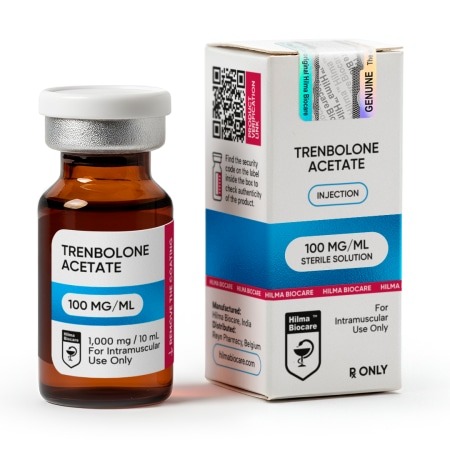
Trenbolone Acetate: 7 Essential Facts About Effects, Risks, and Safety
Introduction
Trenbolone Acetate is a synthetic anabolic-androgenic steroid known for its strong interaction with androgen receptors. It is associated primarily with veterinary applications in certain jurisdictions and is frequently discussed in bodybuilding and performance-enhancement communities. However, it is not approved as a human medicine in many countries, and nonmedical use can involve significant health risks.
Understanding Trenbolone Acetate requires distinguishing its pharmacological properties from marketing claims. Its effects, risks, and regulatory status should be considered carefully, particularly when products are obtained from unverified sources.
This guide covers seven essential topics, including what Trenbolone Acetate is, how it works, potential adverse effects, product quality, and important legal considerations.
1. What Is Trenbolone Acetate?
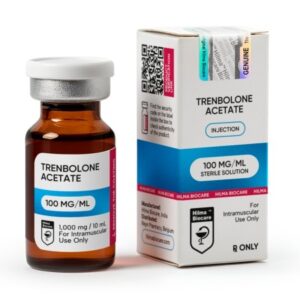
Trenbolone Acetate is an ester of trenbolone, a synthetic anabolic-androgenic steroid. The acetate ester influences how the active compound is released and absorbed after administration.
Unlike a standardized, approved human medicine, products marketed for nonmedical use may vary in composition, concentration, and manufacturing quality. The name on a label does not establish that a product contains the stated ingredient or meets appropriate quality standards.
Anyone researching Trenbolone Acetate should verify the product’s claimed composition and understand the relevant local regulations. Veterinary use does not establish that a substance is safe for humans.
2. How Does Trenbolone Acetate Work?
Trenbolone interacts with androgen receptors involved in regulating gene expression and androgen-dependent biological processes. These receptors influence functions in multiple tissues, including muscle and reproductive systems.
The acetate ester affects the compound’s release characteristics, but it does not eliminate the underlying pharmacological effects or risks. A substance’s mechanism of action alone cannot establish its safety or suitability for human use.
Evidence about biological activity should also be distinguished from high-quality clinical evidence demonstrating safety and effectiveness for a particular medical purpose. Claims made in bodybuilding communities may not be supported by reliable human studies.
3. Common Claims About Trenbolone Acetate
Trenbolone Acetate is frequently discussed online in connection with muscle development, body composition, and athletic performance. However, promotional statements and individual testimonials cannot guarantee specific results or establish that nonmedical use is safe.
Responses to anabolic-androgenic steroids vary with individual physiology, existing health conditions, other substances, and exposure. There are also important gaps in reliable long-term human safety data for nonmedical trenbolone use.
When evaluating claims, prioritize credible medical evidence and avoid assuming that reported physique changes demonstrate a favorable overall health outcome.
4. Potential Side Effects and Health Risks
Trenbolone Acetate may carry serious health risks. Potential concerns associated with anabolic-androgenic steroids include:
- Hormonal suppression: Disruption of natural hormone production and reproductive function.
- Cardiovascular effects: Adverse cholesterol changes, elevated blood pressure, and increased cardiovascular risk.
- Psychological effects: Mood changes, irritability, sleep disturbances, or other behavioral symptoms.
- Skin and hair changes: Acne, oily skin, and hair loss in susceptible individuals.
- Reproductive problems: Reduced sperm production, changes in sexual function, and impaired fertility.
- Organ-related concerns: Potential kidney complications and other health problems requiring medical assessment.
- Injection-related complications: Pain, inflammation, tissue damage, or infection associated with unsafe administration or contaminated products.
The exact risks depend on the substance, exposure, product quality, and individual health. The absence of immediate symptoms does not mean that exposure is harmless.
5. Hormonal Health and Fertility
Anabolic-androgenic steroids can disrupt the hypothalamic-pituitary-gonadal axis, which helps regulate hormone production and reproductive function. This disruption may reduce natural testosterone production and affect sperm production and fertility.
Recovery after steroid exposure varies between individuals and may be prolonged. Some people may experience persistent hormonal or reproductive symptoms that require medical assessment.
Anyone experiencing ongoing fatigue, changes in libido, fertility difficulties, or other concerning symptoms after exposure should consult a qualified healthcare professional. Appropriate assessment may include a review of substance exposure and relevant laboratory tests.
Self-treatment with additional hormones or unverified medicines can introduce further risks.
6. Product Quality and Authenticity
Products sold as Trenbolone Acetate may not always contain the ingredients or concentrations stated on their labels. Unverified products can contain undeclared substances, inaccurate concentrations, or contaminants.
For injectable products, sterility is especially important because contamination can lead to serious infections. Packaging, online reviews, and seller assurances cannot independently establish a product’s identity, purity, or sterility.
Reliable documentation and appropriate independent testing can help evaluate product claims, but they do not make nonmedical use safe or establish that the substance is suitable for human use.
7. Legal and Sports-Regulation Considerations
The legal status of Trenbolone Acetate varies by country and intended application. Restrictions may apply to human use, possession, sale, veterinary use, prescription requirements, and importation. Consult the relevant medicines authority for current local rules.
Trenbolone is prohibited under anti-doping rules in many competitive sports. Athletes should consult the current prohibited-substances list and the regulations of their governing organization.
Understanding these restrictions is important when assessing information about substances marketed for performance enhancement.
Frequently Asked Questions
Is Trenbolone Acetate approved for human use?
It is not approved as a human medicine in many jurisdictions. Legal status and permitted applications depend on local regulations.
Is Trenbolone Acetate the same as Trenbolone Enanthate?
They are different ester forms of trenbolone. Their release characteristics differ, but changing the ester does not remove the underlying health risks.
Can Trenbolone Acetate affect fertility?
Yes. Anabolic-androgenic steroids can suppress natural hormone production and affect reproductive function and fertility.
Is Trenbolone Acetate risk-free?
No. Potential concerns include hormonal suppression, cardiovascular effects, reproductive problems, psychological symptoms, and injection-related complications.
Conclusion
Trenbolone Acetate is a synthetic anabolic-androgenic steroid associated primarily with veterinary applications in certain jurisdictions. Although it is discussed widely in bodybuilding communities, claims about performance and physique outcomes should not be confused with established clinical evidence. Potential hormonal, cardiovascular, reproductive, and injection-related risks warrant caution. Reliable medical information and awareness of product-quality and legal considerations are essential when evaluating this substance.