Nandrolone Phenylpropionate: Uses, Benefits, Risks, and Safety Information
What Is Nandrolone Phenylpropionate?
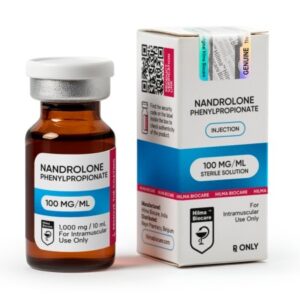
Nandrolone phenylpropionate (NPP) is an anabolic-androgenic steroid that has been studied and used in medical contexts. It is a shorter-acting ester of nandrolone, meaning its release and duration of activity differ from longer-acting formulations. Understanding its medical uses, potential risks, and safety considerations is essential before considering any treatment involving this substance.
Nandrolone affects androgen receptors and can influence protein metabolism, muscle tissue, and several hormonal processes. Its effects vary depending on individual health, exposure, and other medications. It should not be treated as a routine fitness supplement.
Medical Uses and Clinical Considerations
The medical use of nandrolone products varies by formulation, country, and applicable regulatory approval. Historical uses of certain nandrolone formulations have included specific conditions involving muscle wasting or anemia. However, approval for one formulation or indication does not automatically apply to every nandrolone ester.
Patients should consult a qualified healthcare professional to determine whether a particular medication is appropriate for their condition. Treatment decisions require an assessment of medical history, current medications, potential contraindications, and available alternatives.
How Nandrolone Phenylpropionate Works
Nandrolone interacts with androgen receptors in the body. These receptors help regulate biological processes involving muscle tissue, bone, and reproductive function. Because anabolic-androgenic steroids influence the endocrine system, their effects can extend beyond muscle tissue.
The shorter ester associated with nandrolone phenylpropionate affects how the medication is released after administration. It does not eliminate the risks associated with anabolic steroids or make unsupervised use safe.
Potential Side Effects and Health Risks
Nandrolone can cause significant adverse effects. Potential concerns include changes in cholesterol levels, increased cardiovascular risk, suppression of natural testosterone production, fertility problems, and changes in sexual function.
Other possible effects include acne, fluid retention, changes in mood, and alterations in blood pressure. Hormonal effects can be particularly concerning for adolescents, pregnant individuals, and people with existing endocrine or cardiovascular conditions.
The severity of adverse effects varies between individuals. Some complications may persist after discontinuation, and certain risks may increase with prolonged exposure or the use of multiple performance-enhancing substances.
Why Medical Supervision Matters
Anabolic steroids should only be considered within an appropriate medical framework. A healthcare professional can assess whether treatment is indicated, explain potential adverse effects, and identify safer alternatives when appropriate.
Do not use products of uncertain origin or rely on online claims that promise rapid muscle growth, improved athletic performance, or guaranteed results. Products obtained through unverified channels may contain incorrect ingredients, inconsistent concentrations, or contaminants.
Buying Medication Safely and Legally
Anyone researching nandrolone phenylpropionate should verify the medication’s legal status in their country and consult a licensed healthcare professional or pharmacist. Prescription requirements and approved indications differ between jurisdictions.
A legitimate pharmacy can provide information about authorized products, prescription requirements, storage, and potential interactions. Avoid sellers that offer prescription medicines without appropriate safeguards or make unrealistic claims about safety and effectiveness.
Frequently Asked Questions
Is nandrolone phenylpropionate a dietary supplement?
No. Nandrolone phenylpropionate is an anabolic-androgenic steroid, not an ordinary dietary supplement.
Is nandrolone phenylpropionate safe for bodybuilding?
Nonmedical use carries potentially serious health risks. Medical supervision is important, and using a steroid for bodybuilding does not eliminate the possibility of hormonal, cardiovascular, or reproductive complications.
Does nandrolone phenylpropionate require a prescription?
Requirements depend on the country and the applicable medication regulations. Check local laws and consult a licensed pharmacist or healthcare professional.
What should someone do before considering nandrolone?
Discuss the intended treatment and underlying health concerns with a qualified clinician. The clinician can explain the evidence, potential risks, available alternatives, and appropriate monitoring.
Conclusion
Nandrolone phenylpropionate is a pharmacologically active anabolic-androgenic steroid with important medical and safety considerations. Anyone researching this substance should prioritize reliable medical information, lawful access, professional guidance, and awareness of potential adverse effects. Informed decisions are essential when evaluating medications that affect hormonal function and long-term health.