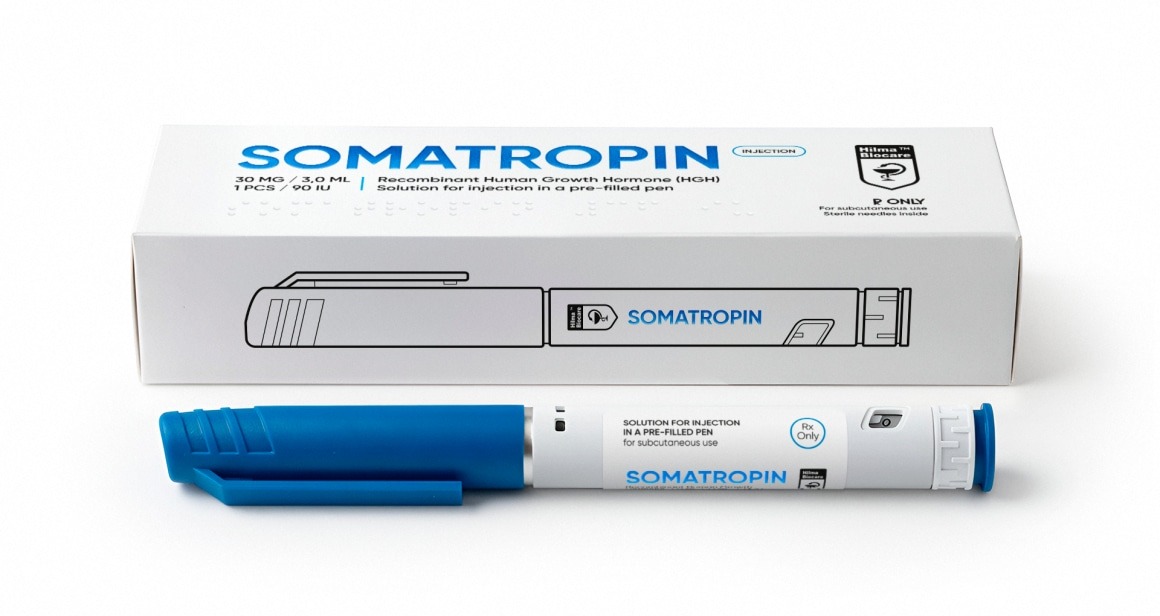
HGH (PEN/Liquid): 7 Facts About Medical Uses and Safety
HGH (PEN/Liquid) refers to human growth hormone products supplied in pen-style injection devices or liquid formulations. Human growth hormone (HGH), also known as somatropin when produced as a pharmaceutical medicine, is a prescription treatment used for specific growth hormone-related conditions. Its suitability depends on the patient’s diagnosis, age, medical history, and the exact product prescribed.
Understanding HGH (PEN/Liquid), its medical uses, potential benefits, side effects, and storage requirements is important for anyone researching growth hormone treatment. This guide explains the main facts about pharmaceutical HGH and the importance of using it responsibly under medical supervision.
1. What Is HGH (PEN/Liquid)?
HGH is a hormone naturally produced by the pituitary gland that supports normal growth and influences metabolism and body composition. Prescription somatropin is a manufactured form of human growth hormone used to treat certain diagnosed medical conditions.
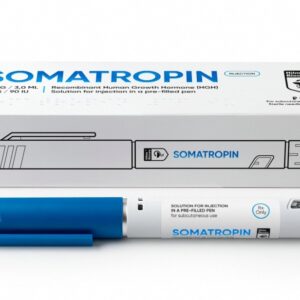
HGH products may be supplied in different presentations, including injection pens, cartridges, and vials that require preparation before administration. The term liquid can refer to a product supplied as a solution or to a product that has been reconstituted according to its official instructions.
Not all HGH products have the same ingredients, concentration, delivery device, or storage requirements. A pen intended for one product should not be assumed compatible with another. Patients should verify the exact medicine and presentation with a licensed pharmacist or healthcare professional.
2. How Does HGH (PEN/Liquid) Work?
Pharmaceutical human growth hormone acts on growth hormone receptors and stimulates the production of insulin-like growth factor 1 (IGF-1), which plays an important role in growth and tissue development. It also influences protein, fat, and carbohydrate metabolism.
In children with certain growth-related disorders, prescribed growth hormone may support linear growth. In adults with confirmed growth hormone deficiency, treatment may help address specific abnormalities associated with that deficiency.
These effects do not mean HGH is appropriate for healthy people seeking to increase muscle size, improve athletic performance, or slow aging. Medical use requires an appropriate diagnosis and clinical monitoring.
3. What Are the Medical Uses of HGH (PEN/Liquid)?
Approved uses vary by product and country, but prescription somatropin may be indicated for selected conditions such as:
- Growth hormone deficiency in children or adults.
- Certain other pediatric growth disorders specified in product labeling.
- Growth failure associated with particular medical conditions, where the product is approved for that indication.
Treatment eligibility depends on the patient’s diagnosis and the specific product’s authorized labeling. A healthcare professional may assess growth patterns, medical history, laboratory results, and other clinical findings before recommending treatment.
HGH is not an established treatment for ordinary aging, general wellness, or weight loss in people without an approved medical indication. Claims that it reliably improves athletic performance or reverses aging should be approached cautiously.
4. HGH (PEN/Liquid) Benefits and Potential Risks
When prescribed for an appropriate medical condition, somatropin may provide benefits such as improved growth in eligible children or correction of certain effects of confirmed growth hormone deficiency.
However, the potential benefits must be weighed against individual risks. Possible side effects include:
- Swelling caused by fluid retention.
- Joint or muscle pain.
- Headaches.
- Numbness or tingling in the hands.
- Injection-site reactions.
- Changes in blood glucose regulation.
More serious complications can occur. These may include increased pressure inside the skull, severe allergic reactions, and worsening of certain pre-existing medical conditions. Growth hormone can also affect insulin sensitivity and blood glucose levels.
Children receiving treatment require appropriate monitoring of growth and bone development. Adults may need monitoring for fluid retention, glucose changes, and other treatment-related effects. Any severe, persistent, or unusual symptoms should be assessed by a healthcare professional.
5. Who Should Avoid or Discuss HGH With a Doctor?
HGH is not suitable for everyone. Somatropin may be contraindicated in certain situations, including active malignancy and some acute critical illnesses, depending on the product’s prescribing information. It may also be unsuitable for people with particular eye complications related to diabetes or other specified medical conditions.
Before treatment, patients should disclose their medical history, current medicines, allergies, and any history of cancer, diabetes, thyroid problems, or pituitary disorders. A clinician may need to investigate the cause of suspected growth hormone deficiency and assess whether treatment is appropriate.
HGH should not be used without medical supervision for bodybuilding, cosmetic purposes, or self-directed hormone enhancement. Using an unprescribed product can expose a person to unnecessary risks and delay the diagnosis of an underlying condition.
6. Storage and Handling of HGH (PEN/Liquid)
Storage instructions depend on the exact brand, formulation, and whether the product has been opened or prepared for use. Some products require refrigeration, and their permitted time outside refrigeration or after preparation can differ.
Important precautions include: HGH (PEN/Liquid): 7 Facts About Medical Uses and Safety HGH (PEN/Liquid): 7 Facts About Medical Uses and Safety
- Follow the exact product leaflet and pharmacist’s instructions.
- Check the expiry date and packaging before use.
- Do not freeze the product unless its official instructions explicitly permit it.
- Avoid using a product that has been stored outside its permitted conditions.
- Use only the compatible pen, cartridge, or supplies specified by the manufacturer.
- Never share injection pens or needles between people.
Do not rely on a generic storage rule for every HGH pen or liquid formulation. If a product’s storage history is uncertain, ask a pharmacist whether it remains suitable for use.
7. How to Verify HGH (PEN/Liquid) Products
Prescription HGH should be obtained through a legitimate, licensed pharmacy or authorized healthcare provider. Check the manufacturer’s name, product labeling, batch or lot number, expiry date, and applicable regulatory information.
Be cautious of sellers promising guaranteed muscle growth, rapid fat loss, anti-aging effects, or results without medical evaluation. Unverified products may be counterfeit, contaminated, incorrectly labeled, or improperly stored.
A pharmacist can help confirm the correct formulation and storage requirements, while a qualified healthcare professional can determine whether HGH treatment is medically appropriate.
Frequently Asked Questions About HGH (PEN/Liquid)
What does HGH stand for?
HGH stands for human growth hormone. Pharmaceutical somatropin is a manufactured form of this hormone used for specific medical indications.
Are HGH pens and liquid formulations interchangeable?
No. Products can differ in concentration, delivery device, preparation instructions, and storage requirements. Follow the instructions for the exact prescribed product.
Can HGH be used for bodybuilding or anti-aging?
HGH is not approved as a general bodybuilding or anti-aging treatment. Unsupervised use may cause serious side effects.
Does HGH require refrigeration?
Many products have refrigeration requirements, but instructions vary. Check the product leaflet or consult a pharmacist.
Conclusion
HGH (PEN/Liquid) describes different presentations of human growth hormone medicine, including pen-style delivery systems and certain liquid formulations. Prescription somatropin can be beneficial for specific diagnosed conditions, but it requires appropriate medical assessment, monitoring, and careful handling.
Patients should verify the exact product, follow its official storage instructions, and obtain treatment through legitimate medical channels. Avoid relying on unverified marketing claims or using growth hormone without professional supervision.
Medical disclaimer: This article is for educational purposes only and does not replace professional medical advice, diagnosis, or treatment.