GHRP-2: 7 Essential Facts About Uses, Effects, and Risks
Introduction to GHRP-2
GHRP-2, or Growth Hormone-Releasing Peptide-2, is a synthetic peptide studied for its ability to stimulate growth hormone secretion. It belongs to a group of compounds known as growth hormone secretagogues, which interact with pathways involved in the regulation of growth hormone release.
This has attracted scientific interest because of its effects on endocrine signaling, metabolism, and appetite-related pathways. However, research interest does not mean that a compound is an approved or proven treatment for muscle growth, athletic performance, recovery, or anti-aging.
Understanding the properties of GHRP-2, its potential physiological effects, and the limitations of current evidence is important when evaluating information about this experimental peptide.
1. What Is GHRP-2?
This is a synthetic peptide developed for research into growth hormone regulation. It interacts with the growth hormone secretagogue receptor, also known as GHS-R1a, which is associated with ghrelin signaling and the stimulation of growth hormone release.
Growth hormone is produced by the pituitary gland and contributes to several biological processes, including tissue growth, metabolism, and the regulation of insulin-like growth factor 1 (IGF-1).
GHRP-2 is different from synthetic human growth hormone. Rather than supplying growth hormone directly, it stimulates a signaling pathway involved in its release.
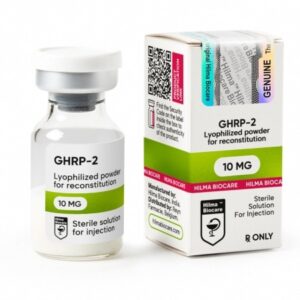
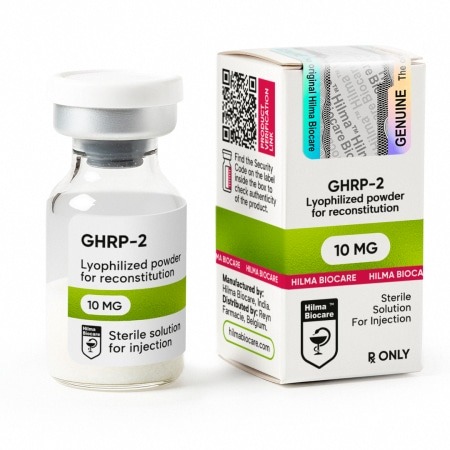
Products marketed online as GHRP-2 may not meet pharmaceutical manufacturing standards. Product labels, seller descriptions, and claims of laboratory purity do not independently establish authenticity, safety, or suitability for human use.
2. How Does GHRP-2 Work?
It activates the growth hormone secretagogue receptor, which can stimulate the pituitary gland to release growth hormone. This pathway is distinct from, but interacts with, the body’s natural growth hormone-releasing hormone system.
Growth hormone influences tissue maintenance, protein metabolism, and other physiological functions. It also contributes to the production of IGF-1, a hormone involved in growth and cellular processes. GHRP-2 GHRP-2 GHRP-2 GHRP-2 GHRP-2 GHRP-2
The body’s hormonal system is regulated by feedback mechanisms. Increasing growth hormone secretion does not necessarily produce predictable or beneficial changes in muscle mass, strength, body composition, or overall health.
A measurable hormonal response should not be confused with proof of clinical effectiveness. Reliable evidence from appropriately designed studies is necessary to establish whether a substance provides meaningful benefits and whether those benefits outweigh potential risks.
3. GHRP-2 Research and Potential Applications
Research involving it has primarily examined growth hormone secretion and related endocrine responses. Such research contributes to scientific understanding of the mechanisms that regulate pituitary hormone release.
However, evidence supporting is for bodybuilding, athletic recovery, anti-aging, or general wellness remains insufficient. Early research findings cannot establish the safety of prolonged exposure or prove that the peptide improves long-term health outcomes.
Online discussions may describe GHRP-2 as a muscle-building or recovery compound, but marketing statements and personal testimonials are not substitutes for controlled clinical evidence.
People experiencing unexplained fatigue, changes in physical development, or other symptoms potentially associated with hormonal disorders should seek a medical assessment. A qualified healthcare professional can determine whether endocrine testing or specialist evaluation is appropriate.
4. Potential Side Effects and Health Risks
The complete safety profile of it has not been established for many of the uses promoted online. Its effects on growth hormone signaling and related physiological pathways raise several potential concerns.
Possible adverse effects and uncertainties include:
- Headaches, flushing, or dizziness.
- Changes in appetite related to ghrelin signaling.
- Injection-site irritation if an injectable preparation is used.
- Fluid retention or swelling associated with changes in growth hormone activity.
- Changes in glucose regulation or insulin sensitivity.
- Alterations in IGF-1 levels and other hormonal processes.
- Uncertain consequences of repeated or prolonged exposure.
These concerns do not mean that every effect will occur in every individual. Rather, limited clinical safety data make the frequency, severity, and long-term consequences difficult to predict.
Unverified products may introduce additional risks, including contamination, incorrect concentration, or an ingredient that differs from the label. Severe allergic symptoms, difficulty breathing, chest pain, or significant swelling require urgent medical attention.
5. Hormonal and Metabolic Considerations
Growth hormone plays a role in metabolism, tissue maintenance, and the regulation of IGF-1. Altering this system can have effects beyond those initially intended.
Growth hormone signaling can influence insulin sensitivity and blood glucose regulation. Fluid balance and other metabolic processes may also be affected when the pathway is stimulated.
The specific long-term effects of this are not sufficiently understood to establish a safe self-directed approach. People with diabetes, prediabetes, cardiovascular disease, or endocrine conditions should be particularly cautious about experimental substances that alter hormonal signaling.
Hormonal symptoms should not be managed by experimenting with peptides or combining unapproved compounds. Clinical assessment can help identify the actual cause of symptoms and determine appropriate, evidence-based treatment options.
6. Product Quality, Regulatory Status, and Sports Rules
It is not an established, routinely approved treatment for bodybuilding or performance enhancement. Regulatory requirements differ between countries, and restrictions may apply to the sale, importation, or human use of experimental peptides.
Products advertised for research purposes are not necessarily manufactured to the standards required for medicines. Labels stating “research use only” do not establish that a product is sterile, accurately formulated, or safe to administer to humans.
Athletes should check the current anti-doping rules that apply to their sport. Growth hormone-releasing peptides and related substances may be prohibited in competitive athletics, and violations can carry significant consequences.
Consumers should rely on official regulatory information and credible scientific sources rather than online marketing claims when assessing a product’s status.
7. Frequently Asked Questions About GHRP-2
What does GHRP-2 stand for?
It stands for Growth Hormone-Releasing Peptide-2, a synthetic peptide studied for its effects on growth hormone secretion.
Is GHRP-2 the same as human growth hormone?
No. GHRP-2 stimulates a pathway involved in the release of growth hormone, whereas synthetic human growth hormone supplies the hormone directly.
Is GHRP-2 approved for bodybuilding?
This is not an established approved treatment for bodybuilding or performance enhancement. Evidence is insufficient to establish its safety and effectiveness for these purposes.
Can GHRP-2 affect blood sugar?
Growth hormone signaling can influence glucose regulation and insulin sensitivity. The specific risks associated with GHRP-2 remain uncertain because comprehensive clinical safety evidence is lacking.
Is GHRP-2 legal?
Its regulatory status depends on the country and the circumstances of sale, importation, possession, and intended use. Check the relevant national medicines regulator for current requirements.
Conclusion
GHRP-2 is a synthetic peptide investigated for its ability to stimulate growth hormone secretion through the growth hormone secretagogue receptor. Although it is relevant to endocrine research, current evidence does not establish that it is safe or effective for bodybuilding, athletic recovery, or general wellness.
Potential concerns include altered hormonal signaling, metabolic effects, injection-related complications, and uncertainty about long-term safety and product quality. Understanding these limitations is essential when evaluating claims about GHRP-2. Medical decisions involving hormonal health should be guided by qualified healthcare professionals and reliable scientific evidence.