Clenbuterol: 7 Essential Facts About Uses, Effects, and Safety
What Is Clenbuterol?
Clenbuterol is a long-acting beta-2 adrenergic agonist that affects receptors involved in relaxing smooth muscle and regulating certain physiological responses. It has been used in veterinary medicine in some countries, particularly in connection with respiratory conditions in animals. Its legal status and permitted uses vary by jurisdiction.
It’s frequently discussed online in relation to weight management, bodybuilding, and athletic performance. However, online popularity does not establish that it is safe or appropriate for human use. Understanding its pharmacological effects, potential adverse reactions, and regulatory status is important for anyone researching this substance.
How Does Clenbuterol Work?
Clenbuterol stimulates beta-2 adrenergic receptors. This activity can relax smooth muscle in the airways and also affect the cardiovascular and nervous systems. Its physiological effects may include changes in heart rate, tremor, and metabolic activity.
Although these effects have led to interest in clenbuterol for weight management, it is not an approved weight-loss medication for human use in the United States. Approval and regulation differ across countries, and veterinary use does not establish that a substance is safe for people.
The duration of its effects and its influence on different body systems make unsupervised exposure particularly concerning.
Clenbuterol and Weight Management
Clenbuterol is often promoted online as a substance for fat loss or body-composition changes. These claims should be evaluated carefully, because potential metabolic effects do not establish a favorable balance of benefits and risks.
Using clenbuterol for weight management can expose individuals to cardiovascular complications and other adverse effects. Products marketed online may also have inaccurate ingredient labels or uncertain concentrations.
Evidence-based weight management generally focuses on sustainable nutrition, physical activity, adequate sleep, and medical support when appropriate. People who are struggling with weight-related health concerns can consult a qualified healthcare professional about established treatment options.
Clenbuterol and Athletic Performance
Clenbuterol is sometimes discussed in bodybuilding and competitive sports because of its potential physiological effects. However, nonmedical use can be dangerous, and claims about guaranteed improvements in strength, endurance, or physique are not reliable indicators of safety.
Clenbuterol is prohibited under the World Anti-Doping Agency’s prohibited list in sport. Athletes should consult current anti-doping rules and qualified sports-medicine professionals before using medications or other substances.
A safer approach to athletic performance involves appropriate training, recovery, nutrition, and evidence-based medical guidance.
Potential Side Effects of Clenbuterol
Clenbuterol can cause adverse effects involving the cardiovascular and nervous systems. Reported effects include rapid heartbeat, palpitations, tremors, anxiety, headache, sweating, and muscle cramps.
More serious complications can include abnormal heart rhythms, chest pain, changes in blood pressure, and reduced potassium levels. Severe toxicity can be life-threatening, particularly when the substance is taken in excessive amounts or combined with other stimulants.
People with cardiovascular conditions or other relevant medical problems may face additional risks. Combining clenbuterol with stimulant-containing products can increase concerns about excessive cardiovascular stimulation.
Anyone experiencing chest pain, fainting, severe palpitations, difficulty breathing, or confusion after exposure should seek emergency medical attention.
Long-Term Health and Safety Considerations
The risks associated with it are not limited to immediate side effects. Excessive cardiovascular stimulation can place considerable strain on the heart, and serious complications have been reported in cases of toxicity.
The effects can vary depending on individual health, exposure, other medications, and the product’s actual contents. An online seller’s claims that a product is safe, pharmaceutical-grade, or free of adverse effects do not independently establish its quality.
It should not be treated as an ordinary dietary supplement. People who have used an unverified product should seek medical advice if they have concerns about their exposure or develop symptoms.
Legal Status and Product Quality
The legal status of it depends on the country and intended use. Some jurisdictions permit certain veterinary applications, while human use may be restricted or unauthorized. Rules governing possession, sale, importation, and distribution also vary.
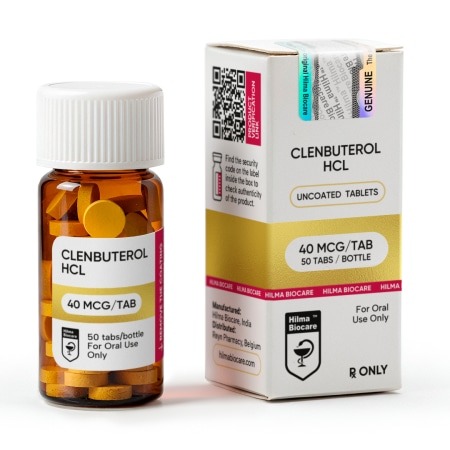
Products obtained from unverified websites may contain incorrect ingredients, inconsistent concentrations, or contaminants. Packaging and customer reviews cannot guarantee authenticity or safety.
Anyone researching it should consult the relevant health authority, a licensed pharmacist, or a qualified healthcare professional for information about local regulations and appropriate medical alternatives.
Frequently Asked Questions About Clenbuterol
What is clenbuterol used for?
It’s a beta-2 adrenergic agonist associated with certain veterinary respiratory applications. Its authorized uses vary by country.
Is clenbuterol approved for human weight loss?
It’s not approved as a human weight-loss medication in the United States. Regulatory status differs by jurisdiction.
What are the main side effects?
Potential adverse effects include tremors, anxiety, rapid heartbeat, palpitations, and changes in blood pressure. Serious toxicity can involve abnormal heart rhythms and other cardiovascular complications.
Is clenbuterol a steroid?
No. It’s a beta-2 adrenergic agonist, not an anabolic-androgenic steroid.
Is clenbuterol permitted in sports?
It’s prohibited under the World Anti-Doping Agency’s prohibited list. Athletes should consult the current rules applicable to their sport.
Conclusion
Clenbuterol is a pharmacologically active substance that affects beta-2 adrenergic receptors and can influence the cardiovascular and nervous systems. Despite its promotion online for weight management and bodybuilding, it carries potentially serious health risks and important legal restrictions. Reliable medical information, regulatory awareness, and professional guidance are essential when evaluating this substance.