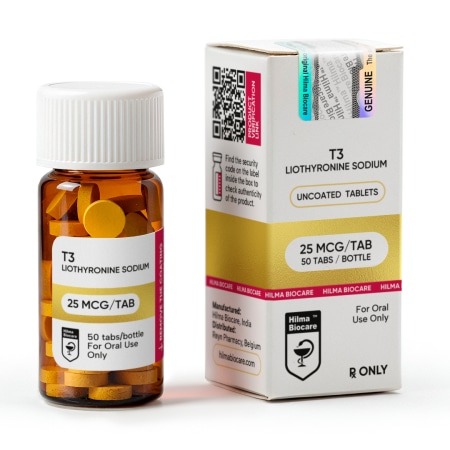
T3-Liothyronine Sodium: 7 Essential Facts About Uses and Safety
Introduction to T3 Liothyronine Sodium
T3-Liothyronine Sodium is a synthetic form of triiodothyronine (T3), a thyroid hormone that plays an important role in regulating metabolism, energy use, body temperature, and normal organ function. It is a prescription medication used in specific clinical situations involving thyroid hormone deficiency and certain thyroid-related diagnostic procedures.
Unlike levothyroxine, which replaces thyroxine (T4), liothyronine provides T3 directly. It acts relatively quickly, making appropriate prescribing, medical supervision, and monitoring especially important. Understanding its medical applications, potential side effects, and interactions can help readers make informed decisions about thyroid health.
1. What Is T3 Liothyronine Sodium?
Liothyronine sodium is a synthetic version of triiodothyronine, commonly called T3. T3 is an active thyroid hormone that influences how cells use energy and supports several essential physiological processes.
The thyroid gland naturally produces T3 and T4. Much of the body’s T3 is also produced when tissues convert T4 into T3. Liothyronine differs from levothyroxine because it supplies T3 directly rather than relying on the body’s conversion of T4.
Liothyronine sodium is available as a prescription medicine in certain formulations and markets. Product availability and approved indications vary by country. It should not be confused with dietary supplements or products marketed for general energy enhancement.
2. Medical Uses of Liothyronine Sodium
Liothyronine may be prescribed for selected patients with hypothyroidism and for certain other thyroid-related medical indications, depending on local prescribing guidance. Levothyroxine is generally the standard first-line thyroid hormone replacement treatment for most people with hypothyroidism.
In some circumstances, a specialist may consider liothyronine when evaluating an individual treatment plan. It may also have a role in particular diagnostic procedures involving thyroid function. The appropriate use depends on the diagnosis, clinical circumstances, and relevant medical guidelines.
Symptoms such as tiredness, weight changes, constipation, and difficulty concentrating can have many causes. These symptoms alone do not establish a need for T3 medication. A healthcare professional can assess symptoms alongside thyroid blood tests and other relevant information.
3. How Does T3 Work in the Body?
T3 binds to thyroid hormone receptors and influences the activity of genes involved in metabolism and tissue function. It affects several systems, including the cardiovascular system, nervous system, digestive system, and muscles.
Because liothyronine supplies the active T3 hormone directly, its effects can begin sooner than those of levothyroxine. This does not mean that it is a better choice for everyone. Its faster action can also make excessive thyroid hormone exposure more concerning.
Treatment aims to achieve an appropriate clinical and biochemical response rather than to maximize metabolism. Excess thyroid hormone can disrupt normal physiological function and cause significant adverse effects. T3-Liothyronine Sodium T3-Liothyronine Sodium T3-Liothyronine Sodium T3-Liothyronine Sodium T3-Liothyronine Sodium T3-Liothyronine Sodium
4. Potential Benefits When Medically Indicated
For appropriately selected patients, liothyronine may help address symptoms associated with inadequate thyroid hormone levels. Its potential benefits depend on the underlying diagnosis and the individual’s response to treatment.
When used for a valid medical indication under professional supervision, treatment may support normal thyroid hormone activity and improve certain symptoms of hormone deficiency.
However, more T3 does not necessarily produce better health outcomes. In people whose thyroid function is normal, taking liothyronine for weight loss, bodybuilding, or increased energy can create risks without a corresponding medical benefit. Unexplained symptoms should be assessed rather than treated through unsupervised thyroid hormone use.
5. Side Effects and Health Risks
Liothyronine can cause adverse effects, particularly when thyroid hormone levels become excessive. Potential symptoms include:
- Rapid heartbeat or palpitations.
- Irregular heart rhythms.
- Nervousness, anxiety, or irritability.
- Tremors and excessive sweating.
- Heat intolerance.
- Difficulty sleeping.
- Diarrhea or other digestive symptoms.
- Unintended weight loss or muscle weakness.
Excessive or prolonged thyroid hormone exposure may increase the risk of cardiovascular complications and bone loss. People with heart disease, older adults, and individuals with other relevant medical conditions may require particular caution.
Chest pain, fainting, severe shortness of breath, or a persistent rapid or irregular heartbeat requires urgent medical assessment. Patients should not change their prescribed treatment independently in response to symptoms. T3-Liothyronine Sodium T3-Liothyronine Sodium T3-Liothyronine Sodium T3-Liothyronine Sodium T3-Liothyronine Sodium
6. Drug Interactions and Medical Monitoring
Liothyronine can interact with other medicines and may change how certain health conditions are managed. For example, thyroid hormone treatment can affect blood glucose management in people with diabetes and may alter the effects of some anticoagulant medicines.
Some medicines and supplements can also affect thyroid hormone absorption or laboratory interpretation. Patients should provide their healthcare professional with a complete list of prescriptions, over-the-counter medicines, and supplements.
Monitoring may include thyroid function tests and an assessment of symptoms, heart health, and treatment response. The specific tests and timing depend on the reason for treatment and the patient’s clinical circumstances.
Pregnancy, existing cardiovascular disease, and changes in other medications can affect treatment decisions. Professional follow-up helps determine whether the medication remains appropriate and whether the treatment plan needs adjustment.
7. Frequently Asked Questions About T3 Liothyronine Sodium
What does T3 mean?
T3 stands for triiodothyronine, an active thyroid hormone that helps regulate metabolism and other important bodily functions.
What is the difference between T3 and T4 medication?
Liothyronine supplies T3 directly, while levothyroxine supplies T4, which the body can convert into T3. The medications have different properties and are not interchangeable without clinical guidance.
Is liothyronine used for weight loss?
Liothyronine is not an appropriate weight-loss medication for people with normal thyroid function. Excess thyroid hormone can cause dangerous heart complications, muscle loss, and bone loss.
Can liothyronine cause side effects?
Yes. Excess thyroid hormone may cause palpitations, tremors, anxiety, sweating, sleep difficulties, and other symptoms. Serious cardiovascular complications are also possible.
Does liothyronine require a prescription?
It is a prescription medication in many jurisdictions. Requirements and approved uses vary by location, so patients should consult a qualified healthcare professional and local regulations.
Conclusion
T3 Liothyronine Sodium is a synthetic thyroid hormone used in selected medical circumstances. It differs from levothyroxine because it supplies T3 directly, and its relatively rapid effects make appropriate clinical supervision particularly important.
Although liothyronine can be beneficial when medically indicated, inappropriate use can lead to excessive thyroid hormone levels, cardiovascular complications, and bone loss. Accurate diagnosis, individualized medical assessment, and appropriate monitoring are essential for safe treatment. Liothyronine should not be used for unsupervised weight loss, bodybuilding, or general performance enhancement.