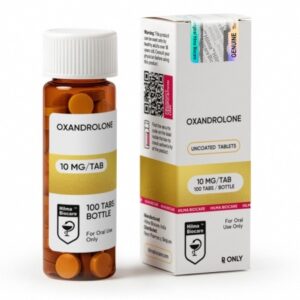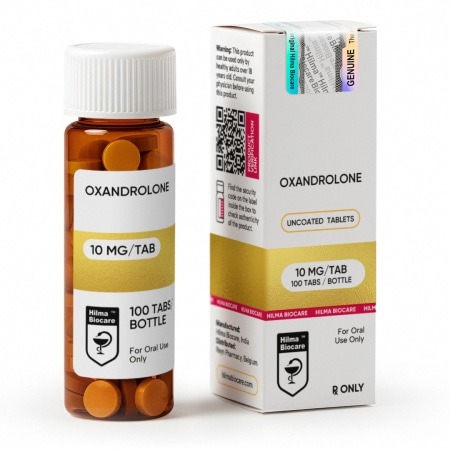
Oxandrolone: 7 Essential Facts About Uses, Effects, and Safety
Introduction
Oxandrolone is a synthetic anabolic-androgenic steroid derived from testosterone. It has been used in certain medical settings to help patients regain weight following significant weight loss associated with surgery, severe injury, chronic illness, or other specific conditions. Its approved medical uses and availability vary by country.
Oxandrolone affects androgen receptors and can influence protein metabolism and body composition. However, its potential effects must be considered alongside important health risks, including liver injury, changes in cholesterol, and suppression of natural hormone production.
Although Oxandrolone is frequently discussed in bodybuilding and fitness communities, it is not a routine dietary supplement. Understanding its medical history, potential adverse effects, and regulatory status is essential for making informed decisions about health and medication safety.
1. What Is Oxandrolone?
Oxandrolone is an oral anabolic-androgenic steroid developed for medical use. It is sometimes known by the former brand name Anavar, although brand availability and authenticity vary by market.
Anabolic-androgenic steroids affect processes related to muscle tissue, protein metabolism, and male sexual characteristics. Oxandrolone has historically been used under medical supervision for selected conditions involving weight loss or tissue wasting.
Its reputation in bodybuilding does not establish that it is safe for non-medical use. Products sold under the Oxandrolone name may be mislabeled, counterfeit, or manufactured without appropriate quality controls.
2. What Is Oxandrolone Used For?
Historically, Oxandrolone has been prescribed in selected medical situations to support weight recovery after severe weight loss associated with certain illnesses, trauma, surgery, or prolonged treatment. Whether it is currently authorized or available for a particular indication depends on the country and regulatory authority.
Treatment of unintended weight loss requires assessment of the underlying cause. Nutritional deficiencies, digestive disorders, infections, cancer, medication effects, and other medical conditions may contribute to changes in body weight. A healthcare professional can identify relevant causes and recommend suitable treatment.
Oxandrolone is not a general-purpose weight-gain supplement or a routine treatment for improving athletic performance. Medical decisions should be based on an appropriate diagnosis and a careful assessment of potential benefits and risks.
3. How Does Oxandrolone Work?
Oxandrolone interacts with androgen receptors and can influence protein metabolism and other biological processes. Its effects depend on the person’s health, the clinical context, and exposure to the medicine.
In selected medical circumstances, anabolic steroids have been used as part of a broader approach to support recovery or weight restoration. Medication alone does not replace adequate nutrition, rehabilitation, or treatment of an underlying disease.
Oxandrolone can also disrupt normal endocrine function. In males, it may suppress natural testosterone production and sperm formation. In females, androgenic effects can include changes in voice and hair growth. Some changes, particularly voice deepening, may be irreversible.
These effects make unsupervised use medically risky, even when a product is marketed as mild or well tolerated.
4. Potential Side Effects of Oxandrolone
Oxandrolone can cause significant adverse effects. The risks depend on individual health, exposure, concurrent medicines, and other factors.
Important potential risks include:
- Liver injury: Oxandrolone is an oral 17-alpha-alkylated steroid associated with liver toxicity. Rare but serious complications can include cholestatic hepatitis and liver-related abnormalities.
- Cholesterol changes: It may reduce HDL cholesterol and increase LDL cholesterol, potentially worsening cardiovascular risk.
- Hormonal suppression: Natural testosterone production may decrease, with possible effects on sexual function and fertility.
- Androgenic effects: Acne, oily skin, increased body hair, and scalp hair loss may occur in susceptible individuals.
- Menstrual changes: Females may experience irregular periods or other hormonal effects.
- Virilization: Voice deepening, clitoral enlargement, and other masculinizing changes can occur in females; some may be permanent.
- Mood changes: Changes in mood, sleep, or behavior may occur.
- Fluid and metabolic effects: Changes in fluid balance and other metabolic measures may require clinical assessment.
Yellowing of the skin or eyes, dark urine, severe abdominal pain, unusual bleeding, or significant swelling requires prompt medical evaluation. Chest pain or sudden shortness of breath requires emergency attention.
5. Oxandrolone, Fertility, and Hormonal Health
Oxandrolone can affect the body’s normal hormonal regulation. In males, suppression of natural testosterone production may contribute to reduced sperm production, testicular changes, lower libido, or other symptoms of hormonal disturbance.
In females, androgenic effects can include menstrual irregularities and virilization. Voice deepening and certain other changes may persist even after the medicine is stopped.
The extent of hormonal recovery varies between individuals. It is not possible to guarantee how quickly normal hormone production or fertility will recover after non-medical use.
Anyone with concerns about fertility, reproductive health, or hormone-related symptoms should speak with a qualified healthcare professional rather than attempting to manage these effects independently.
6. Medical Monitoring and Product Quality
When it is prescribed in a jurisdiction where it is authorized, monitoring may include liver function, lipid levels, blood counts, and other tests based on the patient’s condition and medical history. Clinicians may also assess signs of hormonal complications and interactions with other medicines.
People with liver disease, certain cardiovascular risk factors, or other relevant medical conditions may require particular caution. Oxandrolone can interact with medicines, including some anticoagulants, so a clinician or pharmacist should review all prescribed drugs and supplements.
Product quality is another important concern. Unverified online products may contain incorrect ingredients, contaminants, or undisclosed substances. Packaging and seller testimonials cannot establish pharmaceutical authenticity.
Obtain prescription medicines only through legitimate healthcare and pharmacy channels. Do not start, stop, or combine anabolic steroids without qualified medical advice.
7. Legal Status and Sports Regulations
Oxandrolone’s legal status and availability vary by country. It may be subject to prescription restrictions, controlled-substance rules, or other regulatory requirements. In the United States, Oxandrolone products were withdrawn from the market, so current authorization should never be assumed from old listings or online advertisements.
This is also prohibited in competitive sport under anti-doping rules. Athletes should consult their governing organization’s current regulations and seek advice about any legitimate medical treatment before use.
Online availability does not prove that a product is legally approved, genuine, or safe.
Frequently Asked Questions About Oxandrolone
What is Oxandrolone?
This is a synthetic anabolic-androgenic steroid that has been used in selected medical settings involving weight recovery.
Is Oxandrolone an ordinary supplement?
No. It is a hormone-active steroid medication, not a conventional dietary supplement.
Can Oxandrolone affect the liver?
Yes. Oxandrolone can cause liver injury and requires careful consideration of liver-related risks.
Can Oxandrolone affect cholesterol?
Yes. It may lower HDL cholesterol and increase LDL cholesterol, potentially worsening cardiovascular risk.
Can Oxandrolone affect fertility?
Yes. It can suppress normal hormone production and affect reproductive function. The degree and duration of these effects vary.
Conclusion
It is a synthetic anabolic-androgenic steroid with a history of use in selected medical settings. Despite its reputation in fitness communities, it carries meaningful risks, including liver toxicity, unfavorable cholesterol changes, hormonal suppression, fertility effects, and potentially irreversible androgenic changes.
Anyone seeking treatment for unexplained weight loss or another medical concern should receive a proper diagnosis and discuss evidence-based options with a qualified healthcare professional. Accurate product information, legitimate pharmaceutical sourcing, and appropriate monitoring are essential to medication safety.