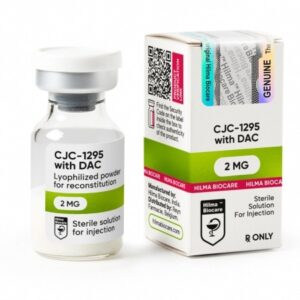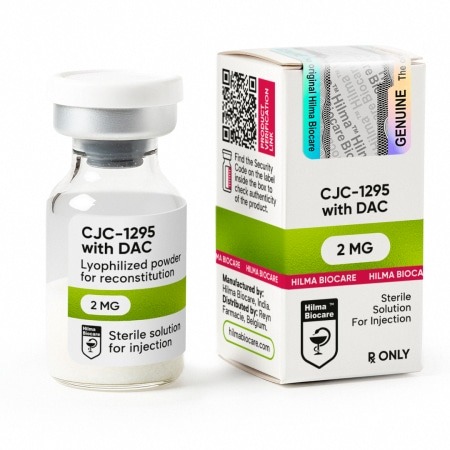
CJC-1295 DAC: 7 Essential Facts About Uses, Effects, and Risks
Introduction to CJC-1295 DAC
CJC-1295 DAC is an experimental peptide investigated for its effects on growth hormone regulation. The abbreviation DAC stands for Drug Affinity Complex, a modification designed to extend the peptide’s activity in the body. CJC-1295 has attracted attention in research involving growth hormone-releasing hormone (GHRH), but it is important to distinguish scientific investigation from established medical treatment.
Products marketed online as CJC-1295 DAC may be promoted for body composition, muscle development, or recovery. However, these claims should not be treated as proof of safety, effectiveness, or approval for human use. Understanding its proposed mechanism, research limitations, and potential risks is essential before evaluating information about this peptide.
1. What Is CJC-1295 DAC?
CJC-1295 DAC is a synthetic peptide associated with research into growth hormone regulation. It is designed to interact with the growth hormone-releasing hormone pathway, which helps control the pituitary gland’s secretion of growth hormone.
The DAC component is intended to increase the peptide’s duration of activity by promoting binding to albumin, a protein found in blood. This design distinguishes DAC-containing CJC-1295 from shorter-acting GHRH-related peptides that lack this modification.
The name is sometimes used imprecisely in online product listings. CJC-1295 DAC should not automatically be considered identical to products marketed as Mod GRF 1-29 or “CJC-1295 without DAC.” Their structures and pharmacological properties can differ.
2. How Does CJC-1295 DAC Work?
Growth hormone-releasing hormone is produced naturally by the hypothalamus and stimulates the pituitary gland to release growth hormone. Growth hormone participates in growth, tissue maintenance, and metabolic regulation. It also influences the production of insulin-like growth factor 1 (IGF-1), mainly through the liver.
CJC-1295 DAC was developed to interact with the GHRH receptor pathway and prolong stimulation of this system. Early research investigated whether it could increase circulating growth hormone and IGF-1 levels.
Changes in hormone levels are biological measurements, not proof that a compound safely improves strength, recovery, body composition, or long-term health. The clinical significance of experimental findings must be established through appropriately designed human studies.
3. Research Findings and Evidence Limitations
Research into CJC-1295 has included early-stage human investigation of its effects on growth hormone and IGF-1. These findings helped establish interest in the peptide’s prolonged biological activity.
However, early research does not establish the safety or effectiveness of long-term use for bodybuilding, anti-aging, injury recovery, or general wellness. Evidence for these uses remains insufficient, and the potential effects of prolonged manipulation of growth hormone pathways require careful evaluation.
A product’s popularity in fitness communities or availability through online sellers does not establish that it has undergone adequate clinical testing. Consumers should distinguish peer-reviewed research from testimonials, marketing language, and unsupported performance claims.
4. Potential Side Effects and Health Concerns
The complete safety profile of CJC-1295 DAC has not been established. Research involving growth hormone pathways and reports concerning related compounds raise several areas of concern.
Potential issues may include:
- Injection-site reactions, such as redness, swelling, or discomfort, when an injectable product is used.
- Headaches, flushing, or dizziness.
- Changes in growth hormone and IGF-1 levels that may have effects beyond those intended.
- Fluid retention or swelling, which can be associated with increased growth hormone activity.
- Changes in glucose regulation and insulin sensitivity.
- Uncertain long-term effects from sustained alteration of hormonal signaling.
These concerns do not mean every effect will occur in every individual. Rather, the lack of robust long-term safety data makes the likelihood and severity of potential complications difficult to predict.
Severe allergic symptoms, difficulty breathing, chest pain, or significant swelling require urgent medical assessment.
5. Hormonal Effects and Metabolic Considerations
Growth hormone and IGF-1 are involved in several physiological systems, including tissue growth, metabolism, and glucose regulation. Increasing their activity beyond normal physiological patterns may produce unintended effects.
For example, changes in growth hormone signaling can influence insulin sensitivity and blood glucose levels. Fluid balance and soft-tissue changes may also be relevant when the pathway is stimulated.
People with diabetes, prediabetes, cardiovascular conditions, or other endocrine disorders may face additional uncertainty when considering experimental hormone-modulating substances. There is not enough evidence to establish a safe self-directed approach to CJC-1295 DAC.
Any symptoms suggestive of a hormonal or metabolic disorder should be assessed by a qualified healthcare professional rather than managed with an unapproved peptide.
6. Product Quality, Approval, and Legal Status
CJC-1295 DAC is not an established, routinely approved treatment for bodybuilding, muscle growth, or anti-aging. Regulatory status can vary by jurisdiction, and restrictions may apply to the manufacture, sale, importation, or use of products containing experimental peptides.
Products sold online may be labeled “research use only.” Such labeling does not guarantee that the contents are authentic, sterile, accurately measured, or safe for human administration.
Contamination, incorrect peptide identity, inaccurate concentration, and improper storage are additional concerns with products obtained from unverified sources. A seller’s certificate or product description should not be treated as equivalent to regulatory approval or reliable clinical evidence.
Athletes should also check the current anti-doping rules applicable to their sport, since growth hormone-releasing factors and related substances may be prohibited.
7. Frequently Asked Questions About CJC-1295 DAC
What does DAC mean in CJC-1295 DAC?
DAC stands for Drug Affinity Complex, a modification intended to extend the peptide’s activity by promoting binding to albumin in the bloodstream.
Is CJC-1295 DAC approved for muscle growth?
It is not an established approved treatment for muscle growth or bodybuilding. Evidence is insufficient to confirm that using it for these purposes is safe and effective.
Is CJC-1295 DAC the same as Mod GRF 1-29?
No. These names can refer to peptides with different structural features and durations of activity. Product names are sometimes used inconsistently, so they should not be assumed to be interchangeable.
Can CJC-1295 DAC affect blood sugar?
Manipulating growth hormone signaling may affect glucose regulation and insulin sensitivity. The specific risks associated with CJC-1295 DAC remain uncertain because adequate clinical safety data are lacking.
Is CJC-1295 DAC legal?
Its regulatory status depends on the country and the circumstances of sale, importation, possession, and intended use. Consult the relevant national medicines regulator for current information.
Conclusion
CJC-1295 DAC is an experimental peptide designed to influence the growth hormone-releasing hormone pathway, with a modification intended to prolong its activity. Early research into hormone responses does not establish that it is safe or effective for bodybuilding, anti-aging, recovery, or other non-approved purposes.
Potential concerns include unpredictable hormonal effects, altered glucose regulation, fluid retention, injection-related complications, and uncertainty about long-term safety and product quality. Anyone researching CJC-1295 DAC should rely on credible scientific evidence and current regulatory guidance rather than promotional claims or online testimonials.