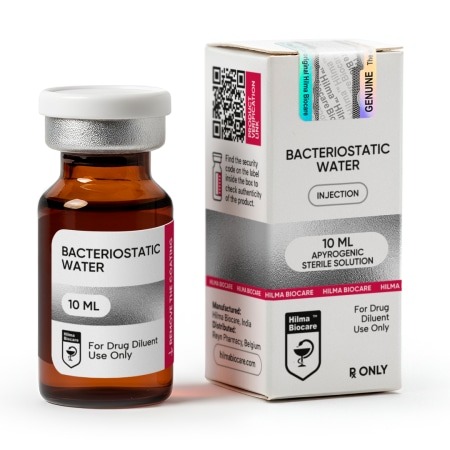
Bacteriostatic Water: 7 Facts About Uses, Storage, and Safety
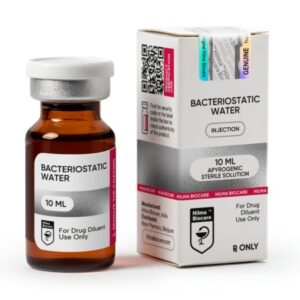
Bacteriostatic Water is sterile water containing a small amount of an antimicrobial preservative, commonly benzyl alcohol, that helps inhibit the growth of bacteria in a compatible product after repeated withdrawals. Certain pharmaceutical formulations are supplied for use as a diluent when preparing medications for injection, according to the specific product labeling.
Understanding Bacteriostatic Water, its intended medical applications, storage requirements, and safety precautions is important for healthcare professionals and patients who have been prescribed a medicine requiring a compatible diluent. This guide explains its general purpose and why correct product selection matters.
1. What Is Bacteriostatic Water?
Bacteriostatic Water for Injection is a sterile preparation of water that contains a bacteriostatic agent, commonly benzyl alcohol at a concentration specified by the manufacturer. The preservative helps inhibit bacterial growth under appropriate conditions, but it does not make the product capable of sterilizing contaminated equipment or medication.
Bacteriostatic Water is different from Sterile Water for Injection, which does not contain a bacteriostatic preservative. These products are not automatically interchangeable because their ingredients, approved uses, and safety considerations differ.
The exact formulation and intended use should always be confirmed from the product label and official prescribing information. A product described as “bacteriostatic water” should not be assumed suitable for every injectable medication.
2. What Is Bacteriostatic Water Used For?
Bacteriostatic Water for Injection may be used as a diluent for certain compatible injectable medicines when the medicine’s official instructions specifically permit it.
Its purpose is to provide a suitable liquid for preparing a medication according to the approved directions. Compatibility depends on the drug, formulation, concentration, and manufacturer’s instructions.
Common principles include:
- Use only with medications that specify a compatible diluent.
- Follow the medication’s approved preparation instructions.
- Confirm the correct product with a pharmacist or healthcare professional.
- Never assume that one diluent is appropriate for every injectable medicine.
Bacteriostatic Water is not itself a treatment for a medical condition. It should not be used as a substitute for prescribed medication or as a general-purpose product for injections.
3. How Does Bacteriostatic Water Work?
The term “bacteriostatic” refers to inhibiting bacterial growth rather than necessarily killing every microorganism. In Bacteriostatic Water for Injection, the preservative helps limit bacterial multiplication under appropriate conditions.
However, the presence of a preservative does not guarantee that a product remains safe if it is contaminated, handled incorrectly, or stored outside its specified conditions. It also does not remove the need for aseptic handling.
The preservative may be unsuitable for some patients, medicines, or routes of administration. For this reason, the selected diluent must match the instructions for the specific medication and intended use.
4. Bacteriostatic Water Safety and Potential Risks
Although Bacteriostatic Water has legitimate pharmaceutical uses, incorrect selection or handling can create health risks.
Important safety considerations include:
- Preservative sensitivity: Some people may have sensitivity or contraindications related to benzyl alcohol.
- Medication incompatibility: Using an unsuitable diluent may affect the medicine’s stability, concentration, or safety.
- Contamination: Repeated withdrawals or poor handling can introduce microorganisms.
- Incorrect route or use: Not every sterile water product is suitable for every administration route.
- Product errors: Confusing Bacteriostatic Water with sterile water or another diluent can lead to serious medication errors.
Benzyl alcohol-containing preparations require particular caution in newborns and young infants because benzyl alcohol has been associated with serious toxicity in this population. Product-specific restrictions must be followed.
Seek professional medical advice if you are uncertain which diluent a medication requires. If an injection is followed by severe pain, swelling, fever, breathing difficulty, or other concerning symptoms, obtain appropriate medical care.
5. Who Should Avoid or Take Special Care With Bacteriostatic Water?
Whether Bacteriostatic Water is appropriate depends on the product’s ingredients, the medication being prepared, the patient, and the intended route of administration.
It should not be used for a medication unless that medicine’s labeling identifies it as a suitable diluent. Benzyl alcohol-containing products may be inappropriate for neonates and certain other patients, and clinicians must consider the specific formulation and clinical circumstances.
Patients should tell their healthcare professional about known allergies, relevant medical conditions, pregnancy or breastfeeding where applicable, and the medications they are using. A pharmacist can help confirm compatibility and identify whether a preservative-free alternative is required.
Do not independently substitute Bacteriostatic Water for Sterile Water for Injection or another supplied diluent.
6. Storage and Handling of Bacteriostatic Water
Storage requirements depend on the manufacturer and product labeling. The instructions on the container should take priority over general online guidance.
For safe handling:
- Check the product name, ingredients, expiry date, and packaging before use.
- Do not use a container that is damaged, leaking, or appears contaminated.
- Follow the manufacturer’s instructions for storage and handling after opening.
- Use aseptic technique and the appropriate sterile equipment.
- Do not use the product if its appearance or container integrity is inconsistent with the product instructions.
- Discard the product according to its labeling and applicable clinical guidance.
The presence of a bacteriostatic preservative does not mean a container can be used indefinitely after opening. Any permitted period of use after first entry is product-specific.
7. How to Verify Bacteriostatic Water Quality
Bacteriostatic Water intended for injection should come from a legitimate pharmaceutical manufacturer and be supplied through an authorized pharmacy or healthcare provider.
Before use, verify the product name, ingredient list, intended use, manufacturer details, batch or lot number, expiry date, and applicable regulatory information. Ensure the packaging is intact and that the product matches the diluent specified for the medication.
Be cautious of products from unverified online sellers or listings that make vague claims about sterility without providing reliable manufacturer and product information. A product’s appearance alone cannot confirm its sterility or quality.
Frequently Asked Questions About Bacteriostatic Water
What is Bacteriostatic Water?
It is a sterile water preparation containing a bacteriostatic preservative, commonly benzyl alcohol, and is used as a diluent for certain compatible injectable medicines.
Is Bacteriostatic Water the same as Sterile Water for Injection?
No. Sterile Water for Injection does not contain a bacteriostatic preservative. Their approved uses and safety requirements differ.
Can Bacteriostatic Water be used with every injectable medication?
No. Compatibility depends on the specific medicine and its official instructions. Consult a pharmacist or healthcare professional before using a diluent.
Does Bacteriostatic Water remain safe indefinitely after opening?
No. Any permitted use period after opening depends on the exact product labeling and applicable guidance. The preservative does not eliminate contamination risks.
Conclusion
Bacteriostatic Water is a pharmaceutical diluent designed for certain compatible injectable medicines. Its preservative can help inhibit bacterial growth, but it does not guarantee sterility after improper handling or make the product suitable for every medication or patient.
Always verify compatibility, follow the exact product instructions, and obtain the product through a legitimate pharmaceutical source. When uncertain, ask a pharmacist or qualified healthcare professional before use.
Medical disclaimer: This article is for educational purposes only and does not replace professional medical advice, diagnosis, or treatment.