Tirzepatide: 7 Facts About Medical Uses, Benefits, and Safety
Tirzepatide is a prescription medicine used to improve blood sugar control in adults with type 2 diabetes and, under specific product approvals, to support long-term weight management. It works by activating two hormone receptors involved in glucose regulation, appetite, and digestion. Because of its effects on metabolism, tirzepatide has become an important treatment option for eligible patients under medical supervision.
However, understanding its approved uses, potential benefits, side effects, and precautions is essential before considering treatment. This guide explains the key facts about tirzepatide and why professional medical guidance matters.
1. What Is Tirzepatide?
This is an injectable prescription medicine that acts on two hormone receptors: glucose-dependent insulinotropic polypeptide (GIP) and glucagon-like peptide-1 (GLP-1). These hormones help regulate blood glucose and influence appetite and digestion.
In the United States, tirzepatide is marketed under two brand names:
- Mounjaro: Approved to improve blood sugar control in adults with type 2 diabetes, alongside diet and exercise.
- Zepbound: Approved for chronic weight management in eligible adults and for certain adults with obesity and moderate-to-severe obstructive sleep apnea.
Approved indications and product availability can differ by country. Patients should consult local prescribing information and a qualified healthcare professional.
2. How Does Tirzepatide Work?
This activates GIP and GLP-1 receptors, which are involved in several metabolic processes. Its effects include helping the body release insulin when blood glucose is elevated, reducing glucagon secretion under relevant conditions, and slowing stomach emptying.
It can also affect appetite and food intake, which may support weight reduction in eligible patients. The overall response varies depending on individual health, treatment tolerance, lifestyle factors, and other medications.
It is not insulin and is not a substitute for emergency treatment of dangerously high or low blood glucose. It is also not intended to replace healthy eating, physical activity, or ongoing diabetes care.
3. What Are the Potential Benefits of Tirzepatide?
When prescribed for an approved indication, tirzepatide may offer several clinically meaningful benefits.
Blood sugar management: For adults with type 2 diabetes, treatment can help improve glycemic control when combined with an appropriate diet and exercise plan.
Weight management: For eligible adults, tirzepatide may help reduce excess body weight and maintain weight reduction over time when used alongside reduced-calorie eating and increased physical activity.
Metabolic health: Improvements in blood glucose and body weight may help patients manage aspects of their overall metabolic health. The extent of benefit varies, and not every patient will respond in the same way.
It is not appropriate for everyone, and treatment decisions should be based on an individual’s medical history, goals, and potential risks.
4. Tirzepatide Side Effects and Safety Considerations
Like other prescription medicines, It can cause side effects. Commonly reported effects include:
- Nausea
- Diarrhea
- Vomiting
- Constipation
- Abdominal discomfort or pain
- Indigestion
- Reduced appetite
- Injection-site reactions
Digestive symptoms may be more noticeable when treatment begins or when a clinician adjusts the prescribed regimen. Persistent or severe symptoms should be discussed with a healthcare professional.
More serious risks can include inflammation of the pancreas, gallbladder problems, dehydration that may affect kidney function, and serious allergic reactions. Low blood sugar is also a concern, particularly when tirzepatide is used with insulin or certain other diabetes medicines.
Seek urgent medical attention for severe, persistent abdominal pain, signs of a serious allergic reaction, or other alarming symptoms.
5. Who Should Avoid or Discuss Tirzepatide With a Doctor?
This has important contraindications and precautions. Under current United States prescribing information for Mounjaro and Zepbound, the medicines should not be used by people with a personal or family history of medullary thyroid carcinoma or by those with multiple endocrine neoplasia syndrome type 2 (MEN 2). They are also contraindicated in people with a serious hypersensitivity to it or its ingredients.
Patients should tell their healthcare professional if they have a history of pancreatitis, gallbladder disease, severe digestive problems, diabetic eye disease, or kidney problems. All current medications should be reviewed to identify potential interactions and risks.
It may cause fetal harm. Anyone who is pregnant, planning pregnancy, or who becomes pregnant during treatment should promptly discuss treatment with their healthcare professional. The medicine can also affect the absorption of some oral medications, so medication-specific advice is important.
6. Using Tirzepatide Responsibly
It should be used only under the direction of a qualified healthcare professional. The correct product, treatment plan, monitoring schedule, and administration instructions depend on the approved indication and the patient’s circumstances.
Do not combine tirzepatide with another tirzepatide-containing medicine or a GLP-1 receptor agonist unless a qualified clinician has specifically evaluated the situation. Do not change a prescribed regimen or stop other medicines without medical advice.
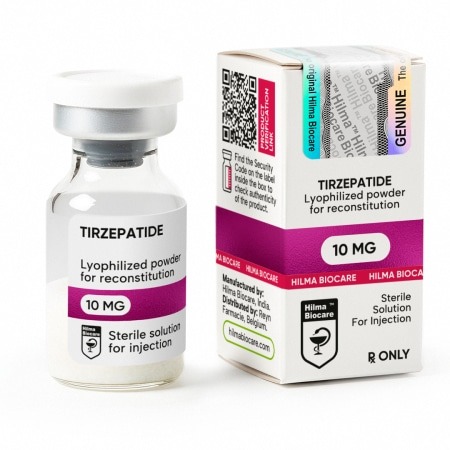
Patients should obtain the medicine through a legitimate, licensed pharmacy and check that the packaging, labeling, and storage instructions match the prescribed product. Unverified online products may be counterfeit, contaminated, incorrectly stored, or inaccurately labeled.
7. Frequently Asked Questions About Tirzepatide
Is tirzepatide approved for medical use?
Yes. In the United States, it is approved in specific products for type 2 diabetes and for certain weight-management and obstructive sleep apnea indications. Approval and availability vary internationally.
Is tirzepatide a GLP-1 medicine?
This acts on both GIP and GLP-1 receptors. This dual mechanism distinguishes it from medicines that primarily target the GLP-1 receptor.
Can everyone use tirzepatide for weight loss?
No. Eligibility depends on the applicable product approval, medical history, and individual clinical assessment. It is not a general-purpose weight-loss medicine for everyone.
Can tirzepatide cause serious side effects?
Yes. Although many reported side effects involve digestion, more serious complications can occur. A healthcare professional can explain individual risks and when urgent care is necessary.
Conclusion
Tirzepatide is an important prescription treatment for eligible adults with type 2 diabetes and, in specific approved products, for chronic weight management and certain cases of obstructive sleep apnea. Its effects on GIP and GLP-1 receptors can support blood sugar control and weight reduction, but treatment also carries potential risks.
Anyone considering tirzepatide should rely on approved product information, legitimate pharmacy supply, and professional medical advice rather than unverified claims or self-directed treatment.
Medical disclaimer: This article is for educational purposes only and does not replace professional medical advice, diagnosis, or treatment.
Reference: U.S. FDA prescribing information for Zepbound (tirzepatide) and FDA information on tirzepatide approvals.