Sustanon: 7 Essential Facts About Uses, Effects, and Safety
Introduction
Sustanon is a brand name for an injectable testosterone medication containing a combination of testosterone esters. It is designed to release testosterone over different periods as the esters are metabolized by the body. Testosterone is an important hormone involved in male reproductive development, sexual function, muscle maintenance, bone health, and red blood cell production.
Although Sustanon is sometimes discussed in bodybuilding and athletic communities, it is a prescription hormone medication, not an ordinary fitness supplement. Its effects, risks, and suitability depend on individual health, medical history, and the reason for treatment. Understanding what Sustanon contains, how testosterone therapy is monitored, and what adverse effects may occur is essential for making informed health decisions.
1. What Is Sustanon?
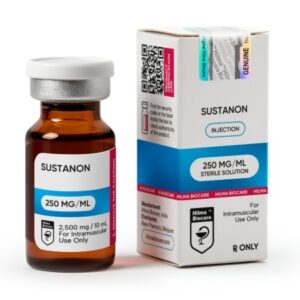
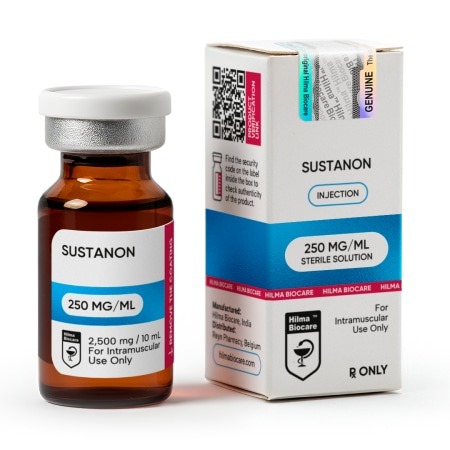
Sustanon is an injectable testosterone preparation that combines multiple testosterone esters in one formulation. A commonly known version, Sustanon 250, contains four testosterone esters: testosterone propionate, testosterone phenylpropionate, testosterone isocaproate, and testosterone decanoate.
These esters influence how testosterone is released after injection. Once absorbed, the esters are processed and testosterone becomes available to the body. The exact formulation, approved indications, and product labeling can vary by market, so the package leaflet and local prescribing information should always be checked.
Sustanon should not be confused with dietary supplements marketed for muscle growth or general vitality. It is a hormone medication with clinically significant effects.
2. What Is Sustanon Prescribed For?
Testosterone medicines may be prescribed for certain patients with confirmed testosterone deficiency when symptoms and appropriate laboratory tests support the diagnosis. Treatment decisions require a qualified healthcare professional to assess the cause of low testosterone and determine whether replacement therapy is appropriate.
Symptoms associated with low testosterone can include reduced sexual desire, fatigue, decreased muscle mass, and changes in mood. However, these symptoms can also result from other medical conditions, sleep problems, medication effects, or lifestyle factors. Symptoms alone do not establish a diagnosis.
Sustanon is not a general treatment for tiredness, nor is it suitable for everyone seeking changes in body composition or athletic performance. Medical evaluation helps determine the underlying problem and the most appropriate treatment.
3. How Does Sustanon Work?
Testosterone binds to androgen receptors and influences gene activity in various tissues. It plays a role in reproductive function, maintenance of muscle and bone, development of male secondary sexual characteristics, and production of red blood cells.
When prescribed for a diagnosed deficiency, testosterone therapy aims to restore hormone levels toward an appropriate physiological range and improve relevant symptoms. The response differs between individuals and depends on the diagnosis, absorption, overall health, and treatment monitoring.
Using testosterone without a medical indication can produce hormone levels outside the normal range and disrupt the body’s natural hormone regulation. More testosterone does not necessarily mean better health, and unsupervised use can lead to serious complications.
4. Potential Side Effects of Sustanon
Like other testosterone medications, Sustanon can cause adverse effects. Possible effects include acne, oily skin, changes in hair growth, injection-site pain, fluid retention, and changes in sexual function.
More significant concerns may include:
- Increased red blood cell count: Testosterone can raise hematocrit, potentially increasing blood-related risks.
- Blood pressure and cardiovascular concerns: Blood pressure may rise, and cardiovascular risks require individual assessment.
- Hormonal suppression: External testosterone can reduce the body’s own testosterone production and interfere with sperm production.
- Breast changes: Breast tenderness or enlargement may occur in some people.
- Prostate-related concerns: Urinary symptoms and prostate health may need assessment, particularly in people with relevant risk factors.
- Mood and sleep changes: Changes in mood, irritability, or worsening sleep-related breathing problems may occur.
The likelihood and severity of side effects vary. Seek urgent medical attention for chest pain, sudden shortness of breath, one-sided leg swelling, severe allergic symptoms, or sudden neurological changes.
5. Sustanon, Fertility, and Natural Testosterone
One important consideration is fertility. Testosterone supplied from outside the body can suppress the hormonal signals that stimulate the testes. As a result, sperm production may decrease substantially, and some users may experience reduced testicular size or infertility.
This suppression can persist after treatment stops, and recovery is not guaranteed to occur quickly or completely. Testosterone therapy is therefore generally not appropriate for men who are actively trying to conceive without specialist assessment.
People concerned about future fertility should discuss this before starting treatment. A clinician can explain the possible consequences and assess alternative approaches based on the underlying diagnosis.
6. Medical Monitoring and Product Quality
Before testosterone treatment, a healthcare professional may review symptoms, medical history, blood pressure, relevant hormone tests, blood count, and other investigations based on age and risk factors. Follow-up testing is important to evaluate the response and detect complications.
Monitoring may include testosterone levels, hematocrit, blood pressure, and prostate assessment when clinically appropriate. Patients should attend follow-up appointments and report new symptoms rather than changing treatment independently.
Product quality is another consideration. Products obtained through unverified online sellers or informal markets may be counterfeit, contaminated, incorrectly labeled, or improperly stored. Packaging alone cannot establish authenticity. Obtain prescription medicines through a licensed pharmacy and consult a pharmacist if the product’s origin or condition is uncertain.
7. Legal Status and Sports Regulations
Sustanon’s prescription status and permitted uses vary by country. Testosterone medicines may be subject to restrictions on prescribing, dispensing, importation, and possession. Buyers should verify current local requirements and use licensed medical services.
Testosterone is also prohibited in sport under anti-doping rules unless an applicable therapeutic-use exemption has been granted. Athletes should consult their sport’s current anti-doping regulations before using any hormone medication.
Frequently Asked Questions About Sustanon
Is Sustanon a testosterone supplement?
No. Sustanon is an injectable testosterone medicine, not a conventional dietary supplement.
Can Sustanon cause infertility?
Yes. External testosterone can suppress sperm production and impair fertility. The extent and duration of the effect vary between individuals.
Is Sustanon suitable for bodybuilding?
Sustanon is not an approved general-purpose bodybuilding supplement. Non-medical use can cause hormonal, cardiovascular, reproductive, and other health complications.
Does Sustanon require medical supervision?
Yes. Testosterone treatment should be prescribed when clinically appropriate and monitored by a qualified healthcare professional.
Can side effects occur even when testosterone is prescribed?
Yes. Prescribed treatment can still cause adverse effects, which is why follow-up appointments and appropriate laboratory monitoring matter.
Conclusion
Sustanon is a combination testosterone medication used in certain clinical settings to treat testosterone deficiency. Its effects extend beyond muscle and sexual function, influencing blood production, reproductive hormones, cardiovascular health, and other body systems. It can also suppress fertility and cause side effects that require medical attention.
Anyone considering Sustanon should seek a proper diagnosis, discuss fertility goals and individual risk factors, and obtain medication only through legitimate medical channels. Reliable information and professional monitoring are safer than self-diagnosis or unsupervised hormone use.