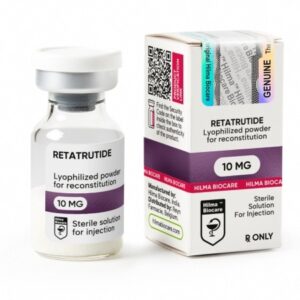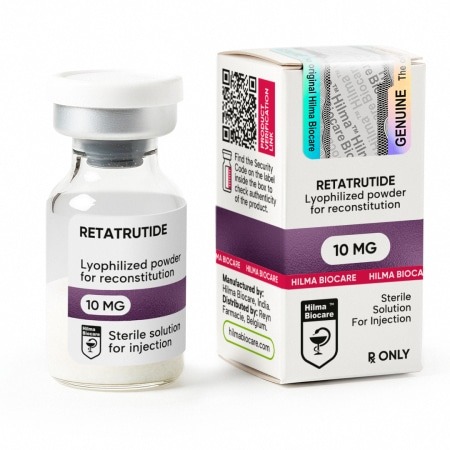
Retatrutide: 7 Important Facts About Weight Loss, Research, and Safety
Retatrutide is an investigational medication attracting attention because of its potential role in weight management and metabolic health. Developed by Eli Lilly, this experimental drug acts on three hormone receptors involved in appetite regulation, blood glucose control, and energy metabolism.
Clinical trials have reported substantial weight reductions in some participants, generating interest among researchers and people seeking information about emerging obesity treatments. However, retatrutide remains investigational and has not been approved for general public use. Research findings should not be confused with proof that an unregulated product sold online is safe or effective.
This guide explains what retatrutide is, how it works, what clinical research has found, and the safety considerations readers should understand.
1. What Is Retatrutide?
It, also known by its development code LY3437943, is a synthetic peptide-based investigational medicine developed by Eli Lilly. It is designed to activate three hormone receptors involved in metabolic regulation.
Unlike medicines that act on only one or two of these receptor pathways, that is a triple hormone receptor agonist. Researchers are studying its potential applications in obesity, type 2 diabetes, and certain conditions associated with excess body weight.
It is not the same as semaglutide or tirzepatide. Although these medicines share some metabolic targets, their mechanisms differ. Retatrutide’s additional activity at the glucagon receptor makes its biological effects distinct.
As of October 2026, retatrutide remains an investigational drug rather than an approved prescription treatment. Its safety and effectiveness continue to be evaluated through clinical research.
2. How Does Retatrutide Work?
It activates three receptors:
- GIP receptor: Involved in insulin secretion and metabolic responses after eating.
- GLP-1 receptor: Helps regulate blood glucose, appetite, and stomach emptying.
- Glucagon receptor: Participates in glucose regulation and energy metabolism.
By acting on all three pathways, retatrutide may influence appetite, food intake, glucose control, and energy use. Researchers are investigating whether this combined activity can provide clinically meaningful benefits for people with obesity or related metabolic conditions.
However, a proposed mechanism does not establish that a medicine is suitable for every patient. The balance between effectiveness and adverse effects must be evaluated through well-designed studies.
3. Retatrutide and Weight-Loss Research
Weight reduction is one of the principal areas being studied for it. In a Phase 2 clinical trial involving adults with obesity or overweight, researchers observed substantial average reductions in body weight over the study period.
Subsequent Phase 3 trials have also reported positive results in several populations, including adults with obesity and people who have both obesity and type 2 diabetes. Results differ between trials because participants, treatment duration, study design, and health conditions are not identical.
These findings are promising, but they should be interpreted in context. Results from clinical trials describe outcomes in defined study populations and do not guarantee that an individual will experience the same response.
This is still being evaluated for long-term safety, effectiveness, and its potential role in medical care.
4. Potential Benefits of Retatrutide
Researchers are studying it for several possible clinical applications.
Weight management: Clinical trials have reported substantial average weight reductions in some participants with obesity or overweight.
Blood glucose control: Studies involving people with type 2 diabetes are evaluating changes in blood glucose and glycated hemoglobin (HbA1c).
Metabolic health: Researchers are investigating how the medication’s combined receptor activity may affect several aspects of metabolic regulation.
Obesity-related conditions: Clinical development includes research into conditions associated with excess body weight, including knee osteoarthritis pain and obstructive sleep apnea.
These are investigational applications, not a list of currently approved uses. The potential benefits must be balanced against adverse effects, individual medical circumstances, and the results of ongoing research.
5. Retatrutide Side Effects and Safety Concerns
The safety profile of it is still being studied. Clinical trials have reported gastrointestinal side effects consistent with effects on incretin-related pathways. These have included nausea, diarrhea, vomiting, and constipation.
Other important considerations include:
- Digestive intolerance: Gastrointestinal symptoms may affect treatment tolerability.
- Fluid loss: Persistent vomiting or diarrhea can lead to dehydration.
- Blood glucose changes: People with diabetes may require careful medical monitoring, particularly if other glucose-lowering medicines are involved.
- Unknown long-term risks: Further research is needed to characterize uncommon and long-term adverse effects.
- Unverified products: Products sold outside authorized clinical research may contain incorrect ingredients, impurities, or unpredictable concentrations.
These concerns do not represent a complete list of established retatrutide-specific risks. Because the medicine remains investigational, its full safety profile has not been established.
Severe or persistent abdominal pain, signs of significant dehydration, breathing difficulties, or symptoms of a serious allergic reaction require prompt medical attention.
6. Is Retatrutide Approved or Available by Prescription?
As of October 2026, retatrutide has not been approved by the US Food and Drug Administration or made available as a routine prescription medicine. Eli Lilly has stated that it plans to submit a Biologics License Application to the FDA in the first quarter of 2027. A planned application is not an approval, and the eventual regulatory outcome and timing remain uncertain.
This is being studied in clinical trials. Products marketed online as research peptides or purported retatrutide injections should not be assumed to contain authentic, pharmaceutical-quality medicine.
Consumers should be particularly cautious of sellers advertising guaranteed results, offering products without appropriate oversight, or presenting experimental substances as approved treatments.
7. Retatrutide Compared With Other Metabolic Medicines
This is being studied alongside established medicines such as semaglutide and tirzepatide, but the products are not interchangeable.
Semaglutide activates the GLP-1 receptor, while tirzepatide activates GIP and GLP-1 receptors. Is targets GIP, GLP-1, and glucagon receptors.
Differences in mechanism do not automatically mean that one treatment is better or safer for every person. Comparisons require carefully designed clinical studies that account for the patient population, treatment duration, outcomes, and adverse effects.
People seeking treatment for obesity or type 2 diabetes should discuss approved options with a qualified healthcare professional rather than attempting to obtain investigational retatrutide from unverified sources.
Frequently Asked Questions About Retatrutide
What is retatrutide used for?
This is being investigated for obesity, type 2 diabetes, and several obesity-related conditions. It is not yet an approved treatment for routine public use.
Is retatrutide the same as tirzepatide?
No. Both act on GIP and GLP-1 receptors, but retatrutide also activates the glucagon receptor.
Is retatrutide approved for weight loss?
No. As of October 2026, retatrutide remains investigational and has not received regulatory approval for general public use.
Is retatrutide safe to use without medical supervision?
No. Its safety profile is still being evaluated, and products sold outside authorized clinical research may be unreliable or unsafe.
Conclusion
This is an investigational triple hormone receptor agonist being studied for weight management and metabolic health. Clinical trial findings have generated significant scientific interest, but its long-term safety, approved clinical role, and regulatory future remain under evaluation. Readers should distinguish research findings from established medical treatments and seek advice from qualified healthcare professionals about approved options for weight management and diabetes care.