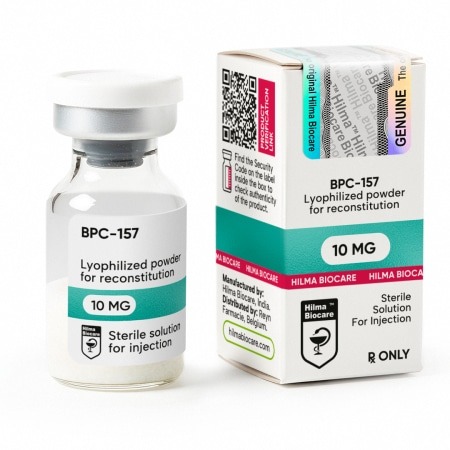
BPC-157: 7 Important Facts About Research, Potential Benefits, and Safety
BPC-157 is a synthetic peptide that has attracted attention in sports, fitness, and experimental research communities because of its proposed relationship with tissue repair and recovery. It is frequently discussed online in connection with muscles, tendons, ligaments, and gastrointestinal health.
However, popularity does not establish medical effectiveness. Much of the research associated with this has been conducted in animals or preclinical settings, and reliable evidence demonstrating its safety and effectiveness in humans remains limited.
This article explains what it is, what researchers have investigated, its potential risks, and the regulatory considerations readers should understand before evaluating claims about this experimental peptide.
1. What Is BPC-157?
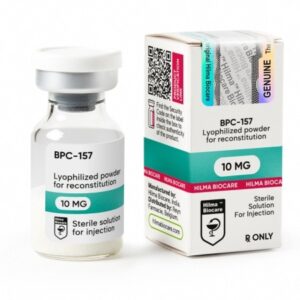
This is a synthetic peptide consisting of 15 amino acids. The name is commonly expanded as “Body Protection Compound 157.” It has been studied experimentally for possible effects on biological processes involved in tissue maintenance and repair.
This is often promoted online as a recovery peptide. Marketing materials may associate it with healing tendons, ligaments, muscles, and other tissues. These claims, however, should not be confused with established clinical indications.
A peptide’s biological activity in an experimental model does not prove that it will produce the same effects in people. Researchers must establish its pharmacology, appropriate clinical applications, safety profile, and effectiveness through rigorous studies.
2. How Does BPC-157 Work?
Researchers have investigated it in connection with several biological pathways involved in tissue responses and healing. Experimental studies have examined processes such as cellular signaling, blood vessel formation, inflammation, and responses to tissue injury.
These processes are complex. Healing depends on interactions among cells, blood supply, immune responses, mechanical forces, and other factors. Findings related to one pathway do not necessarily demonstrate that a peptide can reliably accelerate recovery from a real-world injury.
The exact mechanisms and clinical relevance of it remain insufficiently established in humans. Descriptions of its proposed mechanisms should therefore be understood as research questions rather than proof of therapeutic effectiveness.
3. BPC-157 Research and Potential Benefits
It has received attention because of preclinical research investigating its possible relationship with tissue repair. Areas of scientific interest include:
- Tendon and ligament research: Experimental investigations have explored biological responses associated with connective tissue injuries.
- Muscle research: Scientists have examined possible effects on processes related to tissue damage and recovery.
- Gastrointestinal research: Some studies have investigated the peptide in experimental models involving the digestive tract.
- Inflammatory responses: Researchers have explored changes in biological pathways associated with inflammation.
- Blood vessel formation: Experimental work has investigated processes involved in vascular responses and tissue repair.
These areas represent research interests, not confirmed medical benefits. Much of the evidence comes from animal studies or laboratory experiments, and it cannot automatically be applied to humans.
High-quality human clinical trials are needed to determine whether it offers meaningful benefits, which patients might benefit, and what risks could occur.
4. Can BPC-157 Help With Injury Recovery?
This is frequently marketed for recovery from sports injuries, particularly those involving tendons, ligaments, and muscles. However, there is not enough reliable human clinical evidence to establish it as a safe and effective treatment for these injuries.
Injury recovery varies according to the type and severity of damage, the individual’s health, rehabilitation, and other factors. Online testimonials cannot reliably establish that a peptide caused an improvement.
People experiencing persistent pain, swelling, reduced mobility, or a suspected tendon or ligament injury should seek an appropriate medical assessment. Evidence-based treatment may involve rehabilitation, activity modification, physical therapy, or other interventions selected according to the diagnosis.
Using an experimental peptide instead of obtaining a proper diagnosis may delay effective treatment.
5. BPC-157 Side Effects and Safety Concerns
The safety of BPC-157 in humans has not been adequately established. Researchers do not have sufficient high-quality clinical evidence to reliably characterize its short-term effects, long-term risks, interactions, or appropriate medical applications.
Important concerns include:
- Unknown adverse effects: The full range and frequency of possible reactions are not well characterized.
- Product purity: Products from unverified suppliers may contain impurities or incorrect amounts of the advertised substance.
- Sterility concerns: Products intended for injection may carry contamination and infection risks if manufacturing standards are inadequate.
- Uncertain interactions: Interactions with prescription medicines, supplements, and underlying medical conditions are not sufficiently understood.
- Limited long-term evidence: Potential consequences of repeated or prolonged exposure remain unclear.
These are safety concerns arising from limited evidence and uncertain product quality; they should not be interpreted as a complete list of confirmed BPC-157-specific adverse effects.
A product being described as research-grade does not mean it is safe for human use. Anyone experiencing concerning symptoms after exposure to an experimental substance should seek medical advice. Severe allergic reactions or signs of a serious infection require urgent medical attention.
6. Is BPC-157 Approved for Human Use?
BPC-157 is not an established, approved treatment for sports injuries, gastrointestinal disorders, or general tissue repair in the United States. Regulatory requirements and classifications may differ by country, so current local guidance should be checked with the relevant medicines authority.
Online availability does not establish regulatory approval, clinical effectiveness, or pharmaceutical quality. Products sold through unofficial channels may not have undergone the testing and manufacturing controls expected of approved medicines.
Athletes should also review the current anti-doping rules applicable to their sport and governing organization before considering any experimental substance.
7. BPC-157 Compared With Established Treatments
BPC-157 remains experimental, whereas established treatments are supported by varying levels of clinical evidence and have defined indications, limitations, and safety considerations.
For injuries, an appropriate medical assessment helps identify the affected tissue and determine the most suitable treatment. Depending on the injury, care may include physical therapy, structured rehabilitation, pain management, or specialist evaluation.
For digestive symptoms, a healthcare professional can investigate possible causes and recommend treatments supported by clinical evidence.
Experimental peptides should not replace established care on the basis of online testimonials or claims of rapid recovery.
Frequently Asked Questions About BPC-157
What is BPC-157 commonly researched for?
It has been investigated in preclinical research involving tissue responses, gastrointestinal conditions, inflammation, and healing-related biological processes. These investigations do not establish clinical effectiveness in humans.
Does BPC-157 heal tendons and ligaments?
There is insufficient reliable human evidence to conclude that BPC-157 safely and effectively heals tendon or ligament injuries.
Is BPC-157 safe?
Its safety profile in humans has not been adequately established. Limited clinical evidence and concerns about the quality of products sold online are important considerations.
Is BPC-157 a prescription medicine?
It is not an established, approved treatment for general injury recovery in the United States. Regulatory status and restrictions can vary by country.
Conclusion
This is an experimental synthetic peptide that has attracted scientific and commercial interest because of its proposed relationship with tissue repair and other biological processes. Although preclinical findings may justify further investigation, they do not prove that BPC-157 is safe or effective for treating injuries or other medical conditions in humans.
Readers should distinguish experimental research from established clinical evidence, be cautious of unsupported marketing claims, and consult qualified healthcare professionals about injuries and treatment options.